
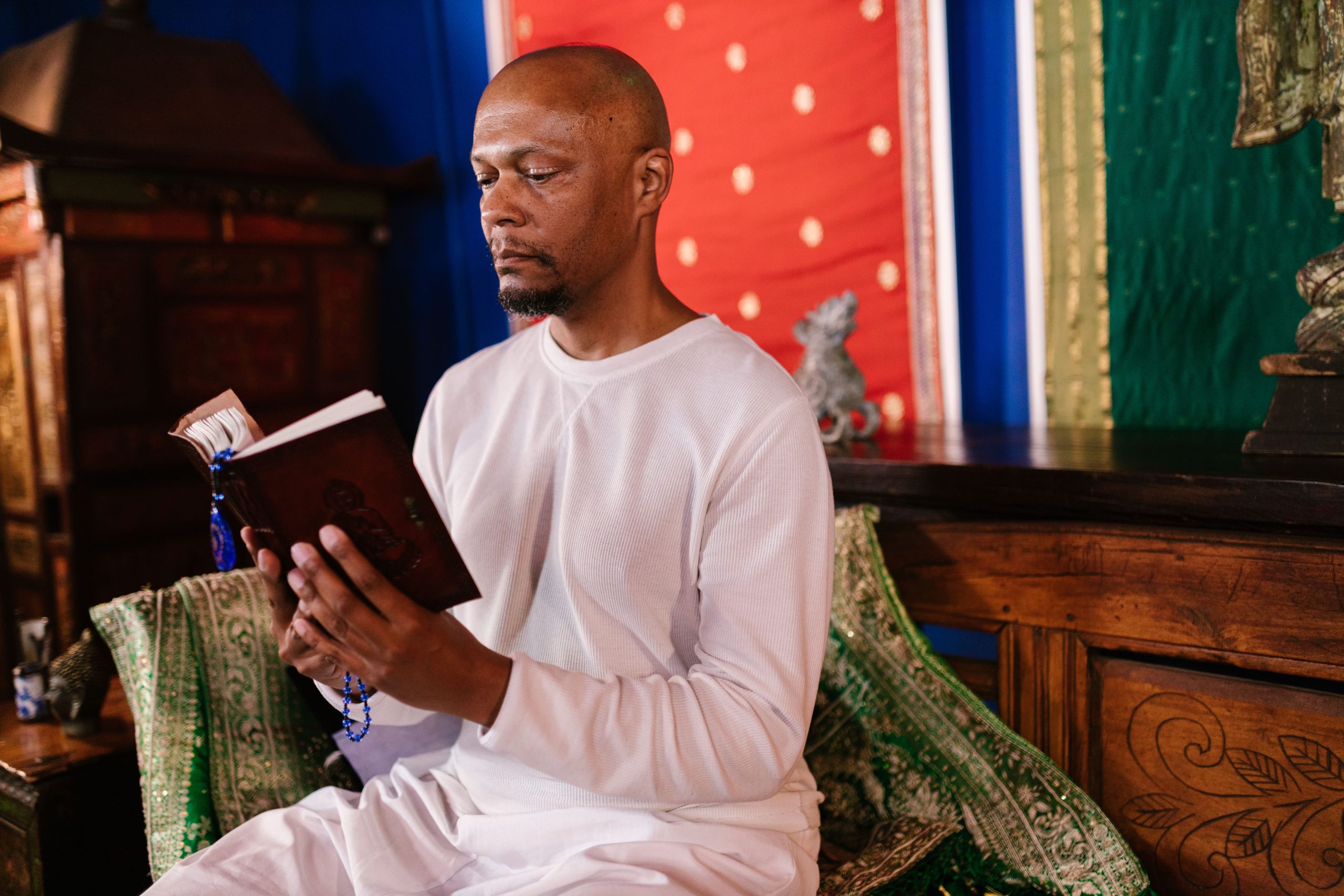
Are you looking to deepen your meditation practice or explore the world of contemplative traditions? The right book can guide you through ancient wisdom and contemporary techniques, helping you cultivate peace and awareness. This list of six essential books is curated to enhance your meditation journey and provide meaningful insights.
From timeless classics to modern interpretations, these titles offer unique perspectives and practices that can transform your approach to meditation. Let’s dive into these literary gems!
1. The Heart of the Buddha’s Teaching by Thich Nhat Hanh – Best For Beginners
This insightful book introduces the core teachings of Buddhism and meditation practices in a manner that’s accessible for newcomers. Thich Nhat Hanh’s gentle style encourages readers to embrace mindfulness in daily life.
Key Features:
- Clear explanations of Buddhist concepts
- Practical meditation exercises
- Simple language and relatable anecdotes
Pros:
- Engaging and insightful writing
- Helpful for all experience levels
- Promotes mindfulness beyond meditation
Cons:
- Some may find it too basic
- Lacks extensive historical context
2. The Miracle of Mindfulness by Thich Nhat Hanh – Best For Cultivating Presence
Another masterpiece by Thich Nhat Hanh, this book emphasizes the art of mindfulness as a way of life. With practical exercises, it helps readers integrate mindfulness into every activity.
Key Features:
- Step-by-step mindfulness techniques
- Real-life applications for stress relief
- Encouragement to live in the moment
Pros:
- Simple and relatable advice
- Inspires a positive change in daily routines
- Ideal for busy individuals
Cons:
- Repetitive for seasoned practitioners
- May not delve deeply into theory
3. Zen Mind, Beginner’s Mind by Shunryu Suzuki – Best For Developing a Zen Approach
This classic text is a favorite among those seeking a deeper understanding of Zen practice. Suzuki’s teachings on meditation embody the essence of a beginner’s mind—open and curious.
Key Features:
- Reflections on the Zen experience
- Guidance for meditation practice
- Simplicity and depth in writing
Pros:
- Profound insights into Zen philosophy
- Encourages a refreshing outlook on practice
- Accessible for various skill levels
Cons:
- Concepts may feel abstract at times
- Less focus on structured techniques
4. The Book of Joy by Dalai Lama and Desmond Tutu – Best For Finding Joy
Amidst life’s challenges, Dalai Lama and Desmond Tutu share wisdom on how to find joy. This book offers profound insights and practices to cultivate happiness and resilience.
Key Features:
- Interviews with two spiritual giants
- Techniques to cultivate joy
- Engaging discussions on compassion
Pros:
- Heartwarming and uplifting narratives
- Practical advice on joyfulness
- Covers both spiritual and secular views
Cons:
- Some concepts may seem repetitive
- Not a traditional meditation guide
5. The Power of Now by Eckhart Tolle – Best For Spiritual Awakening
Tolle’s masterpiece encourages readers to embrace the present moment as a path to spiritual awakening. It’s a profound exploration of consciousness, offering a practical approach to mindfulness.
Key Features:
- Deep insights into presence and awareness
- Techniques for everyday mindfulness
- Emphasis on letting go of the ego
Pros:
- Transformational concepts that resonate
- Practical exercises for self-discovery
- Encourages a fulfilling spiritual journey
Cons:
- May be challenging for some readers
- Heavily philosophical approach
6. A Path with Heart by Jack Kornfield – Best For Integrative Practice
This influential guide blends Eastern traditions with Western psychology. Kornfield offers readers a practical pathway to incorporate meditation into everyday life, making it relatable and actionable.
Key Features:
- Integration of spiritual practices and psychology
- Variety of meditation techniques
- Personal stories that inspire
Pros:
- Accessible for Western readers
- Diverse practices to choose from
- Encourages personal growth and compassion
Cons:
- May feel overwhelming for beginners
- Less focused on traditional texts
How to Choose the Right Book for You
When selecting a meditation book, consider your current level of experience and your specific interests. Look for books that offer practical exercises if you’re starting out. For deeper philosophical engagement, choose texts that challenge your understanding and provoke thought. Ultimately, find a book that resonates with you and supports your journey of self-discovery.
#MeditationBooks #Mindfulness #ZenPractice #SpiritualGrowth #ContemplativeReading #InnerPeace #ThichNhatHanh #EckhartTolle