
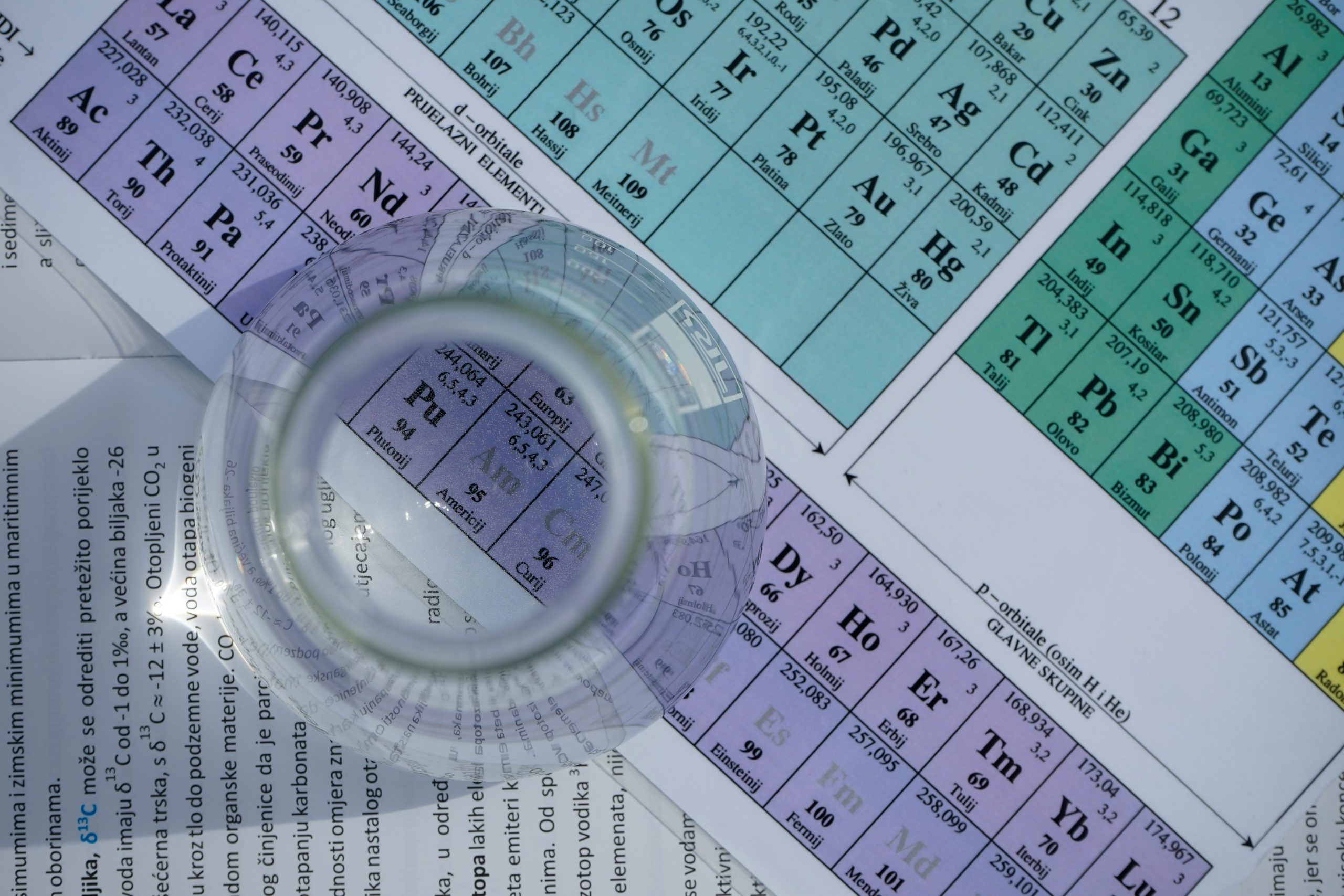
The Nobel Prize in Chemistry celebrates groundbreaking discoveries that have significantly advanced our understanding of the chemical world. Each year, the world looks forward to celebrating the innovations that have transformed science and everyday life. Dive into these top seven discoveries that not only earned the Nobel Prize but also changed our view of chemistry!
From biomolecular research to groundbreaking materials, these discoveries demonstrate the magic of chemistry and its impact on various fields. Let’s explore these remarkable achievements, understand their significance, and see how they shaped modern science.
1. The Structure of DNA – Best For Understanding Genetic Information
Discovered by James Watson and Francis Crick, the elucidation of the double helix structure of DNA in 1953 revolutionized the field of genetics, providing insights into heredity and biological functions that are fundamental to all living organisms.
Key Features:
- Revolutionized biological sciences
- Foundation for genetic engineering
- Enabled advancements in medicine and forensic science
Pros:
- Insights into genetic manipulation
- Brought clarity to genetic heredity
- Leads to advancements in genetics research
Cons:
- Ethical concerns around genetic editing
- Complex processes for practical applications
- Potential for misuse in genetic discrimination
2. The Invention of the Lithium-Ion Battery – Best For Energy Storage Innovations
John Goodenough, Rachid Yazami, and Akira Yoshino’s work on lithium-ion batteries marked a significant advancement in energy storage technologies, enabling everything from portable consumer electronics to electric vehicles.
Key Features:
- High energy density
- Rechargeable and long-lasting
- Widely used in modern technology
Pros:
- Leverages renewable energy sources
- Supports sustainable transportation
- Adaptable for various devices
Cons:
- Environmental impact of battery disposal
- Potential safety risks with overheating
- Dependence on lithium mining
3. Catalytic Asymmetric Synthesis – Best For Drug Development
Francois Barre-Sinoussi and Pierre-Gilles de Gennes contributed to asymmetric synthesis, which allows for the creation of specific molecular configurations. This method is crucial for developing effective pharmaceuticals that target specific sites in the body.
Key Features:
- Enhances efficacy of drugs
- Reduces side effects
- Facilitates creation of complex molecules
Pros:
- Increases precision in drug formulation
- Fosters innovation in medicinal chemistry
- Promotes sustainable synthesis methods
Cons:
- Can be complex and costly
- Requires advanced knowledge and expertise
- Challenges in scaling processes for commercial use
4. The Discovery of Insulin – Best For Diabetes Management
In 1923, Frederick Banting and John Macleod were awarded the Nobel Prize for their discovery of insulin, which transformed diabetes management, transforming it from a fatal disease to a manageable condition.
Key Features:
- Life-saving hormone for diabetics
- Quickly regulates blood sugar levels
- Foundation for diabetes treatment research
Pros:
- Significantly improved quality of life for diabetics
- Sparked further research into related hormones
- Enabled developments in home monitoring
Cons:
- Requires careful management and dosing
- Potential for side effects like hypoglycemia
- Access issues in low-income regions
5. The Creation of Optical Tweezers – Best For Cellular Manipulation
The invention of optical tweezers by Arthur Ashkin, who won the Nobel Prize in Physics in 2018, has made it possible to manipulate microscopic biological particles using laser light, majorly influencing fields like biophysics and molecular biology.
Key Features:
- Non-invasive manipulation of cells
- High precision and control
- Applications in various biological research
Pros:
- Advances understanding of cellular mechanics
- Facilitates groundbreaking biomedical research
- Promotes nanotechnology applications
Cons:
- Requires expensive and advanced equipment
- Limited to small-scale applications
- Need for specialized training for effective use
6. The Solid Phase Synthesis Method – Best For Drug Discovery
George M. Whitesides’ solid-phase synthesis method paved the way for high-throughput screening in drug discovery, making the process faster and more efficient by allowing chemists to easily synthesize and test thousands of compounds simultaneously.
Key Features:
- Increased speed in synthesizing compounds
- Facilitates large-scale, parallel synthesis
- Essential for modern pharmaceuticals
Pros:
- Accelerates the drug development timeline
- Reduces resource waste
- Improves the possibility of novel drug discoveries
Cons:
- Initial setup can be resource-intensive
- Challenges in compound characterization
- Requires extensive biochemical knowledge
7. Environmental Chemistry and Climate Science – Best For Eco-Friendly Practices
Mario Molina and F. Sherwood Rowland were honored for their research on the chemical breakdown of the ozone layer and the introduction of chlorofluorocarbons (CFCs), sparking international efforts to combat climate change.
Key Features:
- Increased awareness of environmental impacts
- Led to the Montreal Protocol and global policies
- Promoted sustainable chemical practices
Pros:
- Groundbreaking work for environmental protection
- Highlights the role of chemistry in climate change
- Encourages innovation in green chemistry
Cons:
- Implementation of change can be slow
- Requires global cooperation and accountability
- Ongoing challenges with pollutants
How to Choose the Right Chemistry Innovations to Follow
When exploring chemistry discoveries, consider their relevance to current global issues, the potential for everyday applications, and their impact on future technologies. Stay informed by following scientific publications, attending lectures, and engaging in discussions around chemistry innovations.
#ChemistryNobel #ScientificDiscovery #InnovativeChemistry #NobelPrizeWinners #ChemistryInEverydayLife #SustainableChemistry #ScienceAndTechnology