
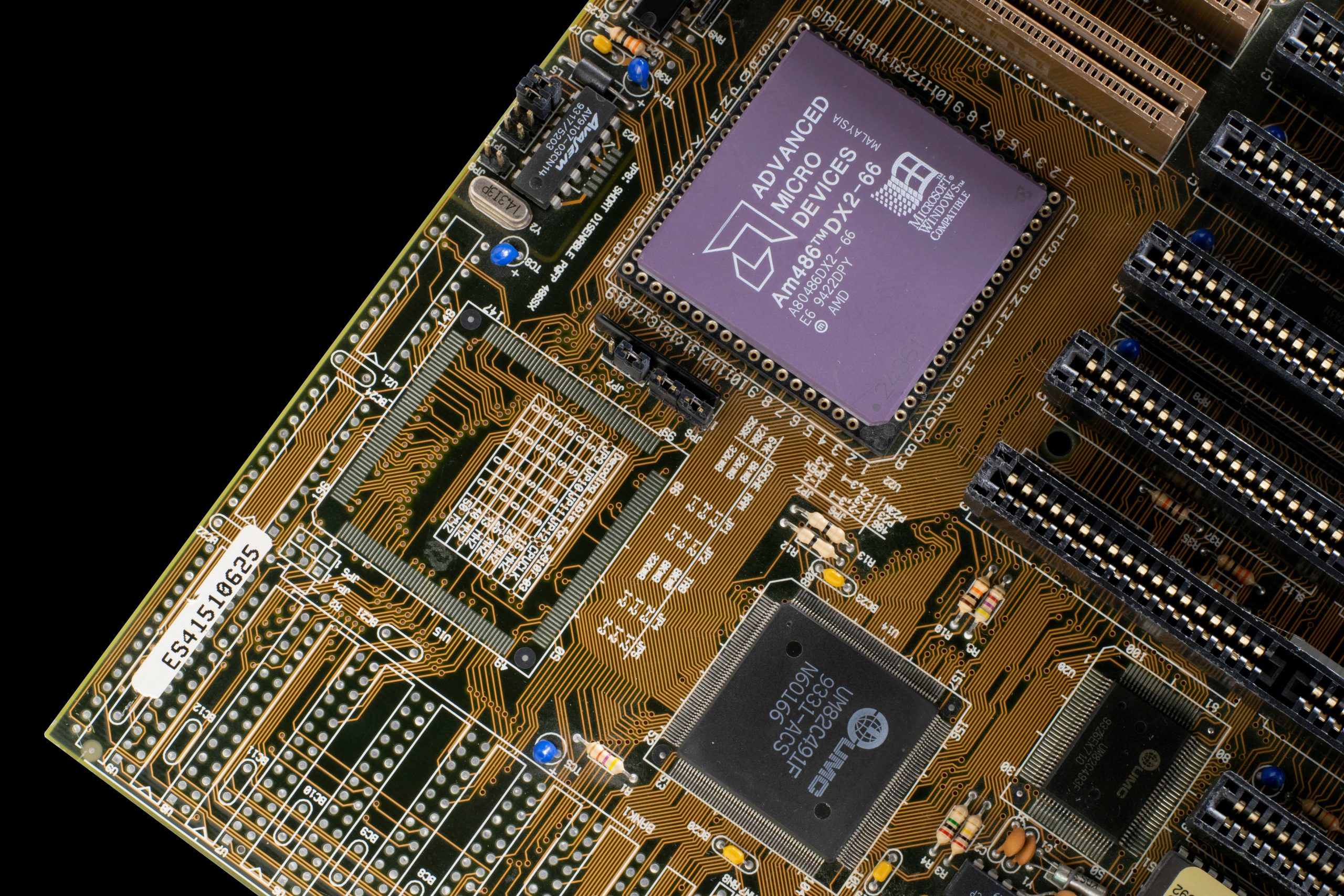
Are you fascinated by the evolution of technology and how microchips transformed our world? These books dive deep into the history of computer hardware, exploring the fascinating stories of innovation that shaped modern computing. Whether you’re a tech enthusiast or a history buff, these reads promise to enrich your understanding of microchip development.
Get ready to explore the groundbreaking advancements in computer hardware with our curated selection of the top 7 books that detail the incredible journey of microchip evolution!
1. The Innovators: How a Group of Hackers, Geniuses, and Geeks Created the Digital Revolution – Best For Tech Enthusiasts
This book by Walter Isaacson takes you through the integral figures behind the digital age, highlighting how they shaped computer hardware development.
Key Features:
- Insights into notable inventors such as Ada Lovelace and Steve Jobs.
- Focus on the collaborative nature of innovation.
- Covers both hardware and software developments.
Pros:
- Engaging storytelling style.
- Comprehensive overview of digital revolution.
- Inspiring accounts of creativity and innovation.
Cons:
- May focus heavily on software figures, overshadowing others.
- Some technical details might be complex for casual readers.
2. How We Got Here: A Slightly Irreverent History of Technology and Markets – Best For Market Insights
This book by Andy Kessler provides a humorous and insightful glance into the historical context of microchip development and its impact on technology markets.
Key Features:
- Thoughtful analysis of technology trends.
- Humorous prose making complex ideas accessible.
- Explains market responses to hardware changes.
Pros:
- Unique perspective on technology evolution.
- Engaging and light-hearted writing style.
- Relatable anecdotes that clarify complex topics.
Cons:
- May lack depth in some technical explanations.
- Humor may not appeal to all readers.
3. The Soul of a New Machine – Best For Engineering Insights
Tracy Kidder’s classic provides an inside look at the creation of a new computer, illuminating the hardware development process in a way few books can.
Key Features:
- Incredible depth on engineering challenges.
- Firsthand accounts from the development team.
- Explores human elements behind technological innovation.
Pros:
- Rich storytelling that feels authentic.
- Valuable lessons on teamwork and collaboration.
- A cult classic in technology literature.
Cons:
- May be too technical for some readers.
- Pacing can be slow in parts.
4. Makers: The New Industrial Revolution – Best For Understanding Modern Hardware Trends
Next on our list, Chris Anderson explores the new era of manufacturing and technology led by makers, echoing the continual evolution of microchips.
Key Features:
- Focus on DIY culture and its influence on hardware.
- Case studies of modern makers and entrepreneurs.
- Vision for the future of innovation.
Pros:
- Inspiring accounts of grassroots innovation.
- Encourages creativity and resourcefulness.
- Useful for aspiring hardware developers.
Cons:
- Less focus on historical context.
- Can be less appealing to traditional readers of tech history.
5. The Second Machine Age: Work, Progress, and Prosperity in a Time of Brilliant Technologies – Best For Economic Perspectives
Erik Brynjolfsson and Andrew McAfee provide an analysis of how technologies, including microchips, influence economic dynamics in today’s age.
Key Features:
- Focus on economic implications of technology.
- Detailed examination of productivity trends.
- Proposes solutions for future workforce challenges.
Pros:
- Insightful predictions about future developments.
- Thorough analysis based on solid data.
- Encourages discussion on ethical technology use.
Cons:
- Heavy on economic theory, not suitable for all readers.
- May feel dense and complex for casual readers.
6. The Chip: How Two Americans Invented the Microchip and Launched a Revolution – Best For Origin Stories
Chip designers Jack Kilby and Robert Noyce’s story is nothing short of legendary, and this book chronicles their contributions to microchip innovation.
Key Features:
- Fascinating insights into the early days of microchips.
- Covers dramatic personal stories of innovation.
- Engagement with historical context and challenges.
Pros:
- Richly detailed narrative.
- Engaging for tech enthusiasts and history buffs alike.
- Personal perspective on pivotal events.
Cons:
- May skip over some technicalities.
- Pacing can vary throughout the narrative.
7. Digital Apollo: Human and Machine in Spaceflight – Best For Aerospace Enthusiasts
This book by David A. Mindell explores the intersection of human intelligence, machine intelligence, and the history of microchips’ role in space exploration.
Key Features:
- Explanations of hardware used in iconic space missions.
- Focus on human interactions with technology.
- Broad implications for future aerospace innovations.
Pros:
- Unique angle connecting hardware to space exploration.
- Thought-provoking discussions on technology and humanity.
- Excellent for anyone interested in aerospace tech.
Cons:
- Technical jargon can be challenging.
- Less focus on the general consumer tech aspect.
How to Choose the Best Book on Computer Hardware History
When selecting a book, consider your interests—whether you’re more inclined towards technical details, market analysis, or personal stories of inventors. Take into account the writing style that you’re most comfortable with and the depth of information you seek. Each of these titles has a unique lens on the subject matter, so explore various options to find the one that resonates best with you!
#ComputerHistory #MicrochipEvolution #TechBooks #Innovation #DigitalRevolution #HardwareInnovation #TechEnthusiasts