
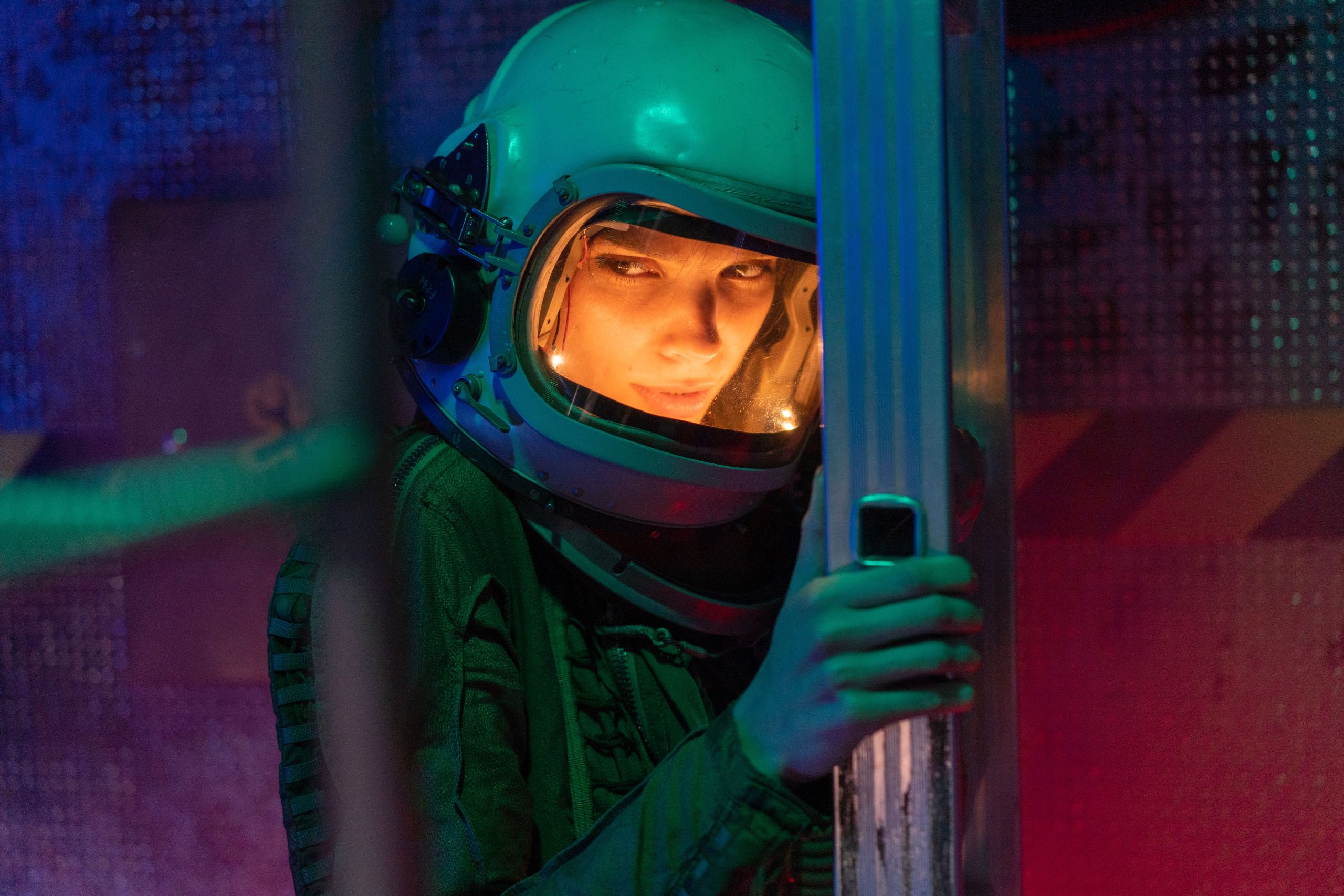
If you’re a fan of gripping science fiction thrillers, you’re in for a treat! This list highlights the best novels that delve into the captivating world of nanotechnology and bio-engineering. Get ready to be on the edge of your seat as we explore thrilling narratives that blend science with suspense.
These stories not only entertain but also provoke thought about our future with advanced technology. Whether you’re a science fiction aficionado or just seeking your next page-turner, you’re bound to find something compelling here!
1. The Peripheral by William Gibson – Best for Dystopian Futures
William Gibson’s “The Peripheral” showcases a future where nanotechnology has rendered physical bodies obsolete, leading to complex and thrilling consequences. The intricate plot weaves between two timelines, exploring the implications of advanced technology on society.
Key Features:
- Dual narrative structure
- Complex characters and rich world-building
- Thought-provoking themes on technology’s impact
Pros:
- Unique blend of cyberpunk and thriller
- Intriguing plot twists
- Well-developed technological concepts
Cons:
- Can be challenging to follow at times
- Slow initial pacing
2. Blindsight by Peter Watts – Best for Existential Questions
Key Features:
- Intense, cerebral narrative
- Explores concepts of identity
- Engaging scientific theories
Pros:
- Thought-provoking and unique premise
- Strong character development
- Intricate, well-researched scientific basis
Cons:
- Complex jargon may deter some readers
- Dark themes can be unsettling
3. The Windup Girl by Paolo Bacigalupi – Best for Eco-Thrillers
Set in a future ravaged by climate change, “The Windup Girl” introduces readers to bio-engineered humans. It intricately discusses the ethics of genetic manipulation through the protagonist’s harrowing experiences in a biopunk dystopia.
Key Features:
- Vividly realized world with unique characters
- Explores the consequences of corporate agriculture
- Engaging perspective on biotechnology
Pros:
- Rich thematic depth
- Gripping narrative style
- Thoughtful social critiques
Cons:
- Heavy subject matter
- Can be a slow burn
4. The Quantum Thief by Hannu Rajaniemi – Best for High-Tech Heists
This fast-paced novel blends heist elements with mind-bending science fiction. The protagonist, a master thief, utilizes nanotechnology in a future society where privacy and identity are fluid. It’s not just a thrilling ride; it also challenges perceptions of reality and consciousness.
Key Features:
- Innovative and imaginative concepts
- Fast-paced heist plot
- Richly detailed universe
Pros:
- Unique and original storytelling
- Engaging plot with twists
- Challenging and rewarding read
Cons:
- Complex narrative that may confuse some readers
- Requires focus and patience
5. Rainbows End by Vernor Vinge – Best for Augmented Reality and AI
Key Features:
- Futuristic vision of technology’s implications
- Rich character-driven narrative
- Focus on the intersection of technology and society
Pros:
- Compelling and gripping plot
- Thoughtfully constructed futures
- Relatable themes
Cons:
- Pacing may lag in some areas
- Heavy reliance on technology jargon
6. The Matrix Trilogy by William Gibson – Best for Virtual Reality Enthusiasts
“The Matrix” is not just a movie but also has its roots in literature. Cybernetic enhancements, nanotechnology, and bioweapons create a thrilling backdrop for exploring the nature of reality. This series redefined how we perceive the convergence of technology and life.
Key Features:
- Cult classic with lasting influence
- Complex themes of reality and technology
- Groundbreaking visual storytelling
Pros:
- Iconic narrative structure
- Enduring relevance in tech discussions
- Multilayered philosophy
Cons:
- Pacing and story continuity can be disjointed
- Requires viewer reflection on complex themes
7. The God Machine by Martin Sprouse – Best for Ethical Dilemmas in AI
This riveting novel dives into the ethical implications of creating life through technology. It explores the emotional and moral consequences of bio-engineering, captivating readers with its suspenseful plot and engaging characters.
Key Features:
- Focus on ethical implications of technology
- Captivating suspense and drama
- Strong character arcs
Pros:
- Thoughtfully engaging narrative
- Explores powerful moral dilemmas
- Packed with twists and surprises
Cons:
- Some themes may feel overly familiar
- Not everyone may enjoy the slow build-up
How to Choose Your Next Nanotechnology Sci-Fi Thriller
When selecting your next read in this thrilling genre, consider what themes resonate most with you. Are you intrigued by the ethical implications of biotechnology, or do you prefer fast-paced plots? Pay attention to the author’s style—do you enjoy intricate details or a straightforward narrative? Lastly, check reader reviews to see how the science is portrayed, as some may vary in technicality.
#SciFiThrillers #BioEngineering #Nanotechnology #FutureTech #BookRecommendations #DystopianFiction #ReadingList