
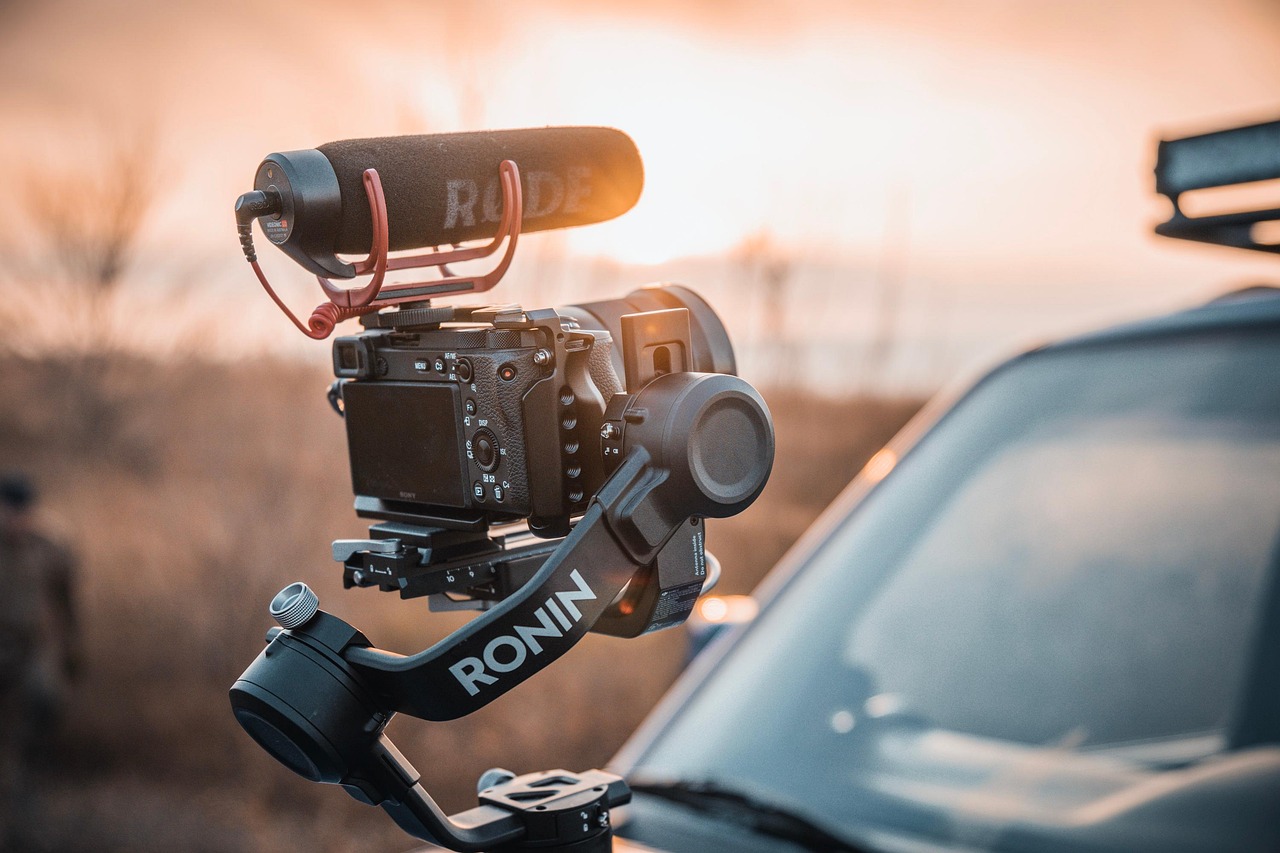
If you’re looking to elevate your video recordings to a professional level, mastering your smartphone gimbal stabilizer is key. With the right techniques, you can achieve smooth, cinematic footage that rivals what you’d see in films. Let’s dive into the essential tips to help you unlock the full potential of your gimbal!
Whether you’re shooting vlogs, travel videos, or just capturing everyday moments, these tips will empower you to create stunning visuals. Grab your gimbal and let’s get started!
1. Balance Your Smartphone – Best For Smooth Motion
Before you start capturing any footage, it’s crucial to properly balance your smartphone on the gimbal. A well-balanced gimbal reduces strain on the motors and enhances stabilization.
Key Features:
- Ensures smoother footage.
- Extends battery life of the gimbal.
- Minimizes motor strain and noise.
Pros:
- Improves overall stability.
- Reduces unwanted camera shakes.
- Enhances filming accuracy.
Cons:
- Can be time-consuming to set up.
- May require adjustments when changing smartphones.
2. Use the Following Modes – Best For Creative Shots
Knowing your gimbal’s modes (like follow mode, lock mode, or pan mode) allows you to achieve different cinematic effects. Each mode serves a unique purpose and can enhance your storytelling.
Key Features:
- Diverse shooting options for creativity.
- Tailors movement to your specific scene.
- Easy transitions between different modes.
Pros:
- Versatile filming capabilities.
- Adds a professional touch to videos.
- Encourages experimentation and creativity.
Cons:
- Can be challenging to learn all modes.
- Switching modes may interrupt shooting flow.
3. Master Your Walk – Best For Natural Looking Motion
Walking while filming can result in shaky footage if not done right. Practice your walking technique by keeping your knees slightly bent to absorb shocks and moving smoothly to create fluid shots.
Key Features:
- Helps maintain stable footage while moving.
- Enhances natural movement in videos.
- Improves audience engagement through smooth visuals.
Pros:
- Creates cinematic walking scenes.
- Easy to implement with practice.
- Looks professional in any setting.
Cons:
- Requires practice to perfect.
- Can be difficult on uneven terrain.
4. Use a Wide-Angle Lens – Best For Expanding Your Perspective
Attaching a wide-angle lens to your smartphone can enhance your shots by capturing more of the scene. This is particularly beneficial for landscape and architectural filming.
Key Features:
- Captures more visual elements in each shot.
- Creates depth and expansiveness.
- Ideal for storytelling with landscapes.
Pros:
- Adds visual interest to ordinary scenes.
- Perfect for travel and outdoor shooting.
- Enhances the cinematic quality of your footage.
Cons:
- Can cause distortion at edges.
- Requires careful handling to prevent focus issues.
5. Plan Your Shots – Best For Strategic Storytelling
Before you start filming, outline the shots you want to capture. Planning helps you visualize transitions and angles which can save time and enhance the cinematic quality of your video.
Key Features:
- Increases efficiency during filming.
- Helps maintain a coherent narrative.
- Allows for better shot composition.
Pros:
- Reduces wasted time and resources.
- Improves video storytelling quality.
- Allows for creative exploration.
Cons:
- Can feel restrictive if you’re spontaneous.
- May overlook unexpected cinematic moments.
6. Experiment with Speed – Best For Dynamic Footage
Varying the speed of your movements can add a dramatic touch to your video. Slow movements create a different feeling than fast pans, so don’t be afraid to mix it up!
Key Features:
- Enhances dynamic storytelling.
- Projects mood and intensity effectively.
- Creates engaging visual experiences.
Pros:
- Keeps viewers engaged through variety.
- Allows for creative editing opportunities.
- Improves overall professionalism of the video.
Cons:
- Requires more time in post-production.
- Overdoing it can confuse viewers.
7. Edit with Precision – Best For Polished Final Product
Edit your footage using quality software to refine your final product. Good editing can elevate even basic shots into something extraordinary.
Key Features:
- Enhances the visual appeal of your footage.
- Ensures smooth transitions between shots.
- Allows for color correction and sound adjustments.
Pros:
- Adds a professional polish to your video.
- Lets you refine your cinematic style.
- Enables storytelling through editing techniques.
Cons:
- Can be time-consuming.
- Requires knowledge of editing software.
How to Choose the Right Gimbal Stabilizer
When selecting a gimbal stabilizer, consider factors such as compatibility with your smartphone, weight capacity, battery life, and ease of use. Look for features that facilitate creative filming and ensure maximum stability.
#SmartphoneGimbal #CinematicFootage #MobileFilmmaking #VideoTips #Filmmaking #ContentCreation #VideoProduction #GimbalStabilizer