
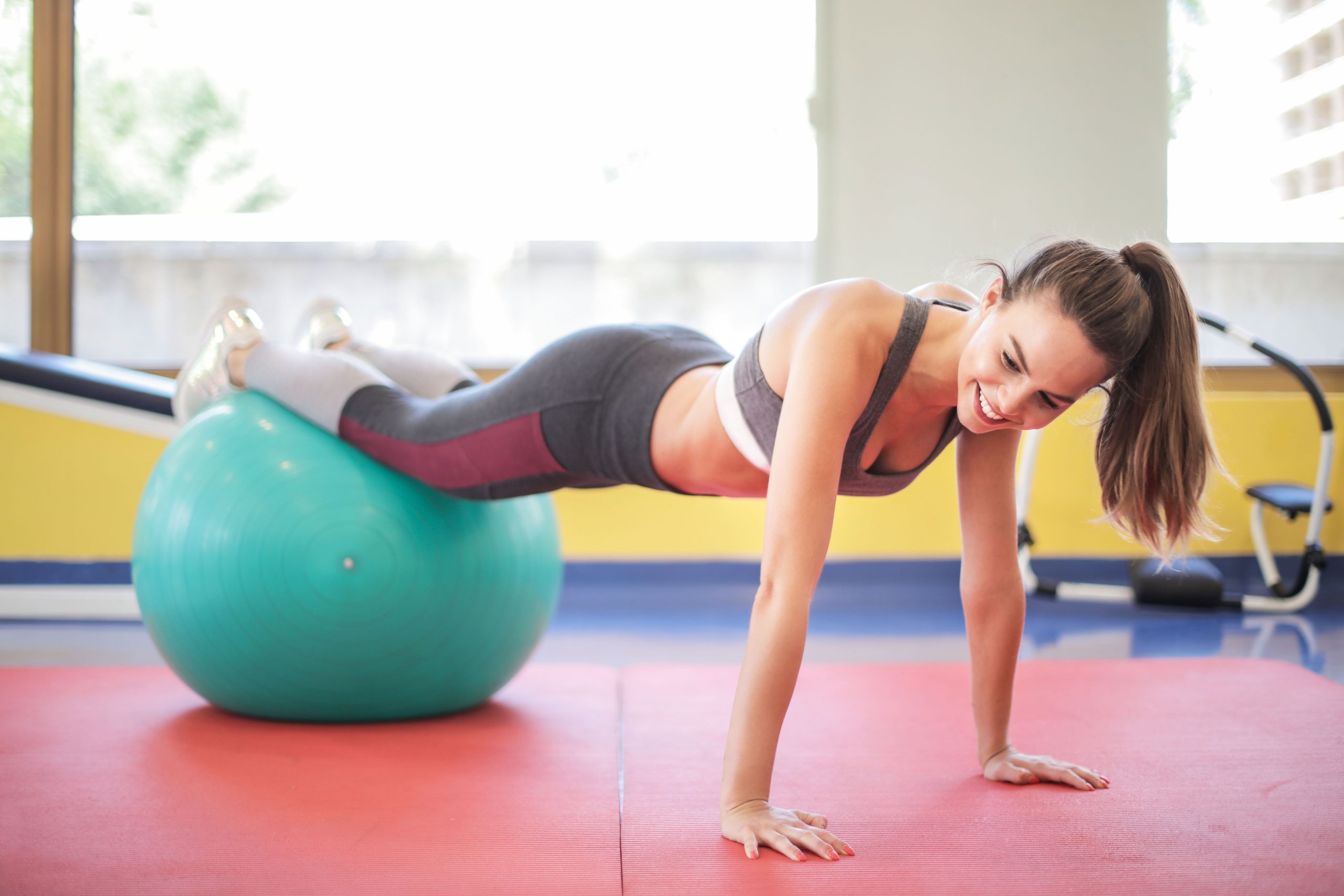
Are you tired of dealing with lower back pain? Incorporating stability ball exercises into your routine might be the answer you’re looking for! These moves not only strengthen your core but also help alleviate discomfort, promote better posture, and improve overall flexibility.
Let’s dive into the top stability ball moves that can transform your lower back health and keep you moving pain-free!
1. Stability Ball Back Extension – Best for Strengthening the Lower Back
The Stability Ball Back Extension is a phenomenal way to target your lower back while improving muscle endurance and spinal alignment. This exercise can be a game-changer for those looking to build strength in their lower back without putting undue pressure on the spine.
Key Features:
- Engages the entire back
- Strengthens the erector spinae
- Improves posture and flexibility
Pros:
- Effective in alleviating back pain
- Can be done at home with minimal equipment
- Increases core stability
Cons:
- Requires a stable ball of appropriate size
- May need supervision for beginners
- Improper form can lead to injury
2. Stability Ball Wall Squat – Best for Strengthening Quads and Back
This dynamic exercise engages both your lower body and core, making it perfect for enhancing the strength and stability of your back. The wall squat with a stability ball allows you to squat safely while providing ample support.
Key Features:
- Simultaneously works the legs and back
- Improves joint stability
- Targets multiple muscle groups
Pros:
- Great for improving balance
- Suitable for different fitness levels
- Minimizes strain on joints
Cons:
- Requires wall space
- Initially can be awkward for newcomers
- Need for consistency for visible results
3. Stability Ball Bridge – Best for Hip and Lower Back Alignment
The Stability Ball Bridge is fantastic for activating your glutes and stabilizing your core, which directly impacts your lower back. This exercise helps promote a healthy hip alignment that can relieve back tension.
Key Features:
- Targets glute muscles and core
- Enhances functional strength
- Encourages proper pelvic alignment
Pros:
- Easy to modify for all fitness levels
- Promotes improved flexibility
- Can be integrated into various workouts
Cons:
- May take time to learn proper form
- Possibility of ball rolling away
- Limited impact if performed too quickly
4. Stability Ball Plank – Best for Total Core Stability
The Stability Ball Plank not only strengthens your core but also engages the back muscles, making it an ideal move for lower back health. This exercise instills proper posture while providing a solid challenge for stability.
Key Features:
- Full-body engagement
- Improves stability and endurance
- Targets both the abs and lower back
Pros:
- Highly effective for strengthening the core
- Improves balance and coordination
- Can be varied for additional challenge
Cons:
- May be difficult for beginners
- Requires practice to hold position
- Risk of dropping the ball without caution
5. Stability Ball Side Crunch – Best for Oblique Engagement
This dynamic exercise targets your obliques while also providing a stretch to the lower back. The Stability Ball Side Crunch helps in maintaining the strength of your sides, which is crucial for a healthy back.
Key Features:
- Isolates oblique muscles
- Improves core strength
- Increases flexibility in the lower back
Pros:
- Offers variation to standard crunches
- Can be adjusted for difficulty
- Stabilizes back during movement
Cons:
- Requires practice for effective form
- May not target lower back directly
- Ball stability issues can occur
6. Stability Ball Seated Twist – Best for Spinal Mobility
The Seated Twist on a stability ball aids in promoting spinal flexibility and mobility, essential components of a healthy back. This move encourages rotational movement that can relieve tension in the back muscles.
Key Features:
- Enhances spinal flexibility
- Stretches and strengthens the torso
- Promotes better range of motion
Pros:
- Simple and effective
- Can be done anywhere with a stability ball
- Great for improving posture
Cons:
- Balance can be challenging for some
- Limited impact if performed too quickly
- Correct form is essential to avoid strain
How to Choose the Right Stability Ball for You
When selecting a stability ball, consider your height, weight capacity, and the intended use. Make sure the ball is properly inflated and provides appropriate resistance for your exercises. Always opt for a quality ball that is durable to ensure safety while exercising.
#LowerBackHealth #StabilityBallExercises #BackPainRelief #CoreStrength #FitnessTips #HealthyBack #ExerciseAtHome #Wellbeing