
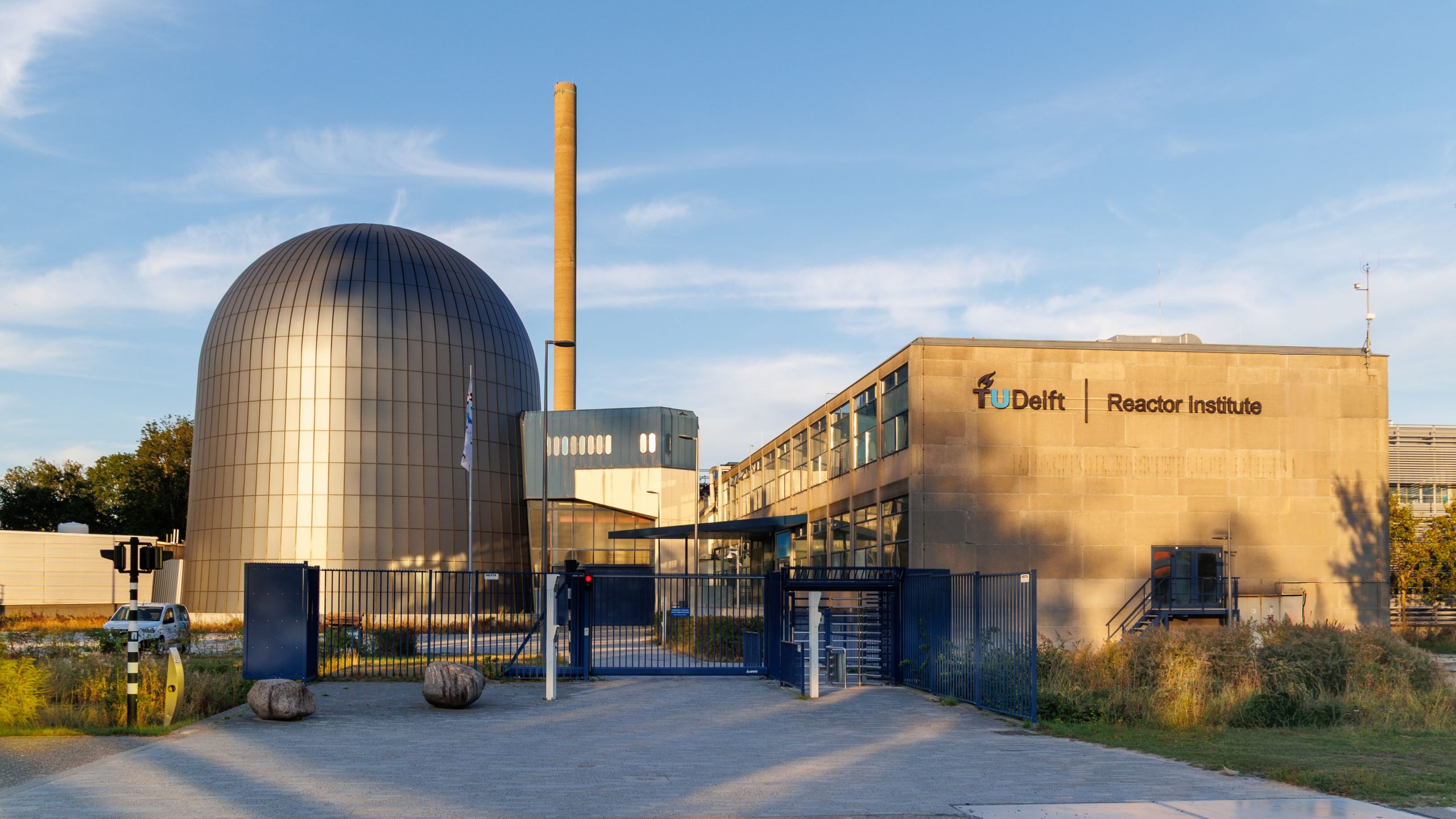
Nuclear fusion is one of the most promising energy sources for the future, offering the potential for clean, abundant power. However, the path to achieving practical fusion energy is complex and requires innovative reactor designs. In this article, we’ll explore the top 10 nuclear fusion energy research reactor designs that are advancing this groundbreaking technology.
From advanced tokamaks to stellarators, each design has its unique advantages and challenges. Let’s dive into the most exciting projects that are setting the stage for a new era of energy.
1. ITER – Best for International Collaboration
ITER (International Thermonuclear Experimental Reactor) is one of the largest and most ambitious fusion projects globally, designed to demonstrate the feasibility of fusion energy. Its international collaborative effort brings together 35 nations to achieve a sustainable fusion reaction.
Key Features:
- Plasma confinement using magnetic fields
- Large-scale prototype with a goal of producing 500 MW of output
- Focus on technology transfer among nations
Pros:
- International funding and resources
- Significant research collaboration
- Potential for large-scale energy production
Cons:
- High development costs
- Long time frame for completion
- Complex bureaucratic processes
2. SPARC – Best for Compact Design
Developed by MIT and collaborators, SPARC aims to build the world’s first compact fusion reactor that can achieve net energy gain. Its innovative design focuses on high magnetic fields and plasma performance.
Key Features:
- Smaller size increases investment efficiency
- Utilizes advanced superconducting magnets
- Aims for a faster path to commercialization
Pros:
- Reduced scale and cost
- Shorter timeline compared to larger reactors
- Potential for groundbreaking scientific insights
Cons:
- Still in the planning phase
- Uncertainty in achieving commercial viability
- Limited initial funding
3. K-STAR – Best for Innovative Technology
The Korea Superconducting Tokamak Advanced Research (K-STAR) has gained fame for its advanced technologies and record-breaking plasma confinement times. It serves as a vital platform for research in plasma physics.
Key Features:
- Superconducting magnets for energy efficiency
- Research on long-duration plasma stability
- Significant ongoing experiments and results
Pros:
- Advances in plasma control technology
- Multiple successful experiments
- International collaboration for research data sharing
Cons:
- Limited funding compared to larger projects
- Smaller scale limits energy output demonstration
- Continuous need for technological advancements
4. EAST – Best for Experimental Insights
The Experimental Advanced Superconducting Tokamak (EAST) is a Chinese project focused on achieving extended plasma operation and energy stability. It’s paving the way for future fusion technologies.
Key Features:
- Unique experimental approaches to confinement
- Long-duration operations for performance data
- Focus on advanced heating techniques
Pros:
- Strong government support
- Impressive experimental achievements
- Contributes valuable data for the global fusion community
Cons:
- Limited international collaboration
- Lack of commercial energy generation focus
- Shortage of public awareness
5. Wendelstein 7-X – Best for Stellarator Design
This German project is the world’s largest stellarator and offers a different approach to magnetic confinement fusion, aiming to simplify plasma control while maintaining stability.
Key Features:
- Unique twisted magnetic field structure
- Focus on steady-state operation
- Innovations in coil design
Pros:
- Potential for continuous reactor operation
- Valuable data for future reactor designs
- Reduced risk of plasma disruptions
Cons:
- High complexity in engineering
- Requires extensive analysis post-experiment
- Limited funding compared to larger tokamaks
6. NIF – Best for Inertial Confinement Fusion
The National Ignition Facility (NIF) in the USA employs inertial confinement fusion techniques to achieve fusion energy through powerful laser systems. It’s known for its cutting-edge research in fusion ignition.
Key Features:
- World’s largest laser facility
- Aimed at achieving net energy gain
- Research on high-energy physics
Pros:
- Exceptional technological capabilities
- Advancement in weapons and energy research
- Collaboration with multiple scientific disciplines
Cons:
- Extremely high operational costs
- Limited to specific types of fusion studies
- Extended timelines for achieving goals
7. DEMO – Best for Future Power Plants
DEMO is the conceptual next step following ITER designed to pave the way for commercial fusion power plants. Its purpose is to demonstrate the reliability and feasibility of fusion as a mass energy source.
Key Features:
- Scaled-down version of fusion power plants
- Aims for long-term operational sustainability
- Critical for understanding regulatory challenges
Pros:
- Direct path to commercialization
- Addressing real-world power generation issues
- Potential for public and private investment
Cons:
- Still in conceptual stages
- Long development timeline
- High uncertainty in feasibility
8. Helion Energy – Best for Direct Energy Conversion
Helion Energy focuses on the direct conversion of fusion energy into electricity, aiming to create a commercially viable fusion power plant sooner rather than later.
Key Features:
- Compact reactor design
- Direct electrical output generation
- Fast-paced development schedule
Pros:
- Potential for a commercially available product
- Innovative approach to energy conversion
- Strong investment backing
Cons:
- Innovations still need validation
- Limited public visibility
- Challenges in scalability
9. FUSION – Best for Advanced Computational Techniques
FUSION’s next-generation reactor design caters to advanced computational techniques in plasma physics, aiming to enhance the understanding of fusion processes and their dynamics.
Key Features:
- Utilizes cutting-edge simulation technology
- Focus on optimizing plasma conditions
- Data-driven design enhancements
Pros:
- Potential for rapid improvements in performance
- Collaboration with tech companies
- Engages in providing educational resources
Cons:
- Highly dependent on computational resources
- Limited experimental validation
- Prototyping challenges
10. TAE Technologies – Best for Polywell Fusion
TAE Technologies is exploring a unique polywell approach to fusion that promises to be smaller and more economical than traditional designs while maintaining high levels of energy output.
Key Features:
- Innovative confinement techniques
- Focus on boron fusion reactions
- Aims for low-cost energy generation
Pros:
- Potential for significant breakthroughs
- Strong intellectual property portfolio
- Engaging private investments
Cons:
- Experimental stage with verification requirements
- Uncertain pathway to commercialization
- Technological hurdles in scalability
How to Choose the Right Fusion Reactor Design
When selecting a fusion reactor design to follow or support, consider the following criteria:
- The viability of achieving net energy production
- The scale and timeframe of development
- Level of international collaboration and funding
- Potential for technological innovations and breakthroughs
#NuclearFusion #CleanEnergy #FusionResearch #EnergyInnovation #FutureEnergy #SustainablePower #RenewableEnergy #TechAdvancements