
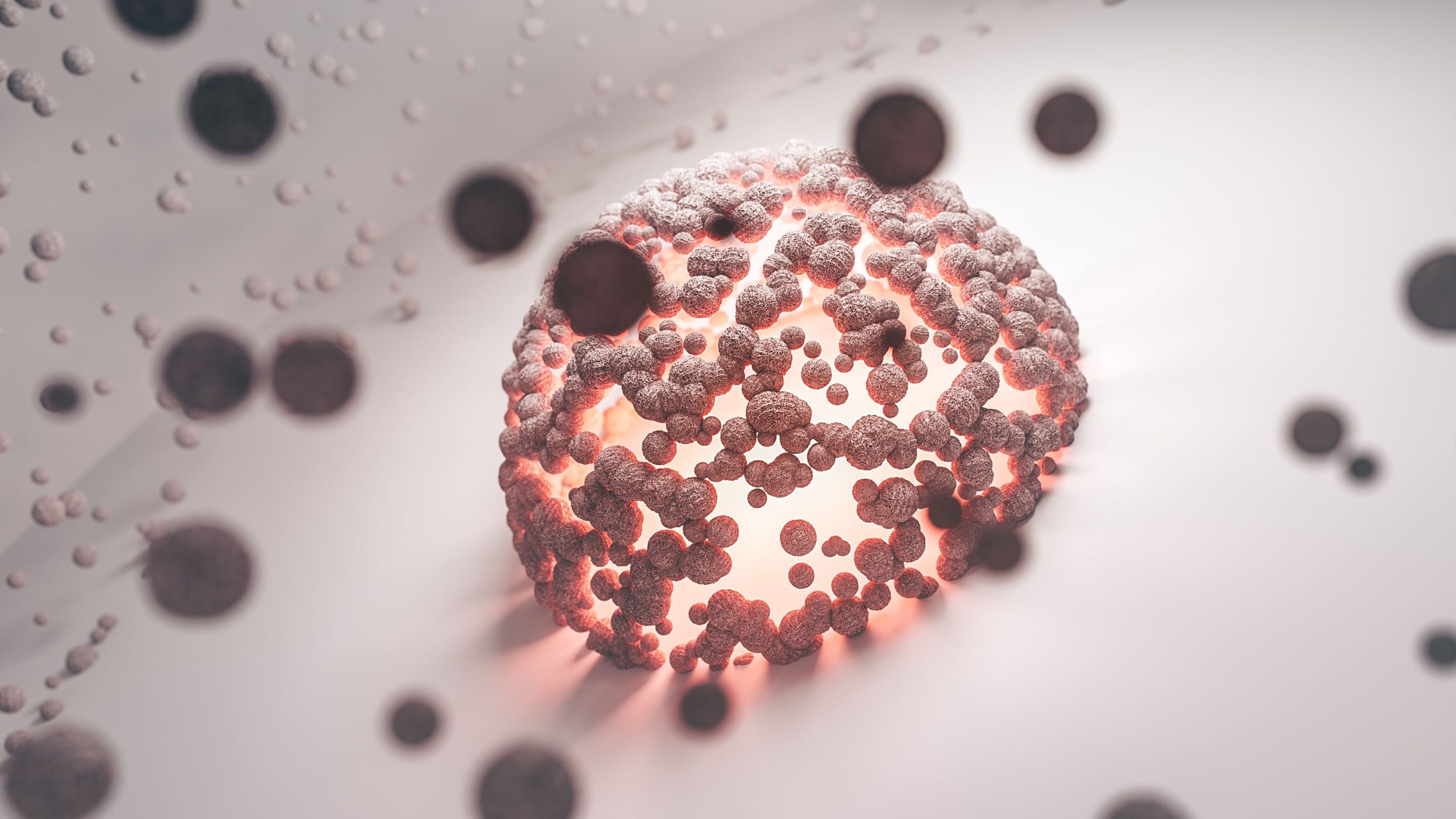
Biochemistry is the foundation of life, orchestrating essential processes that keep living organisms thriving. Understanding these biochemical mechanisms not only enhances our appreciation of life but also sheds light on various health and disease conditions. From energy production to cellular communications, let’s explore the incredible biochemistry processes crucial for cellular vitality!
Whether you’re a biology student, a health enthusiast, or simply curious about how life sustains itself, this guide will introduce you to the eight most vital biochemical processes that are fundamental to all living cells!
1. Glycolysis – Best For Energy Production
Glycolysis is a vital metabolic pathway that converts glucose into pyruvate, generating energy in the form of ATP. This process occurs in the cytoplasm of the cell and is essential for both aerobic and anaerobic respiration.
Key Features:
- Initial breakdown of glucose.
- Produces two ATP molecules per glucose molecule.
- Leads to further energy production through the Krebs cycle.
Pros:
- Quick energy production.
- Supports both aerobic and anaerobic conditions.
- Common pathway for various substrates.
Cons:
- Limited ATP yield compared to aerobic respiration.
- Can lead to lactic acid build-up in anaerobic conditions.
- Not sustainable for long-term energy needs.
2. Krebs Cycle (Citric Acid Cycle) – Best For Energy Extraction
The Krebs cycle, also known as the citric acid cycle, plays a crucial role in cellular respiration by oxidizing acetyl-CoA to produce ATP, NADH, and FADH₂. It’s a central hub for energy production and metabolic pathways.
Key Features:
- Occurs in the mitochondria of eukaryotic cells.
- Generates a high yield of electron carriers.
- Produces carbon dioxide as a byproduct.
Pros:
- Highly efficient ATP production.
- Integrates with various metabolic pathways.
- Essential for fatty acid and amino acid metabolism.
Cons:
- Requires oxygen for optimal function.
- Complex regulatory mechanisms.
- Can be inhibited by high levels of ATP.
3. Photosynthesis – Best For Energy Conversion
Photosynthesis is the biochemical process by which green plants convert light energy into chemical energy, using carbon dioxide and water, ultimately producing glucose and oxygen. It’s vital for life on earth, providing energy and oxygen for other organisms.
Key Features:
- Occurs in chloroplasts in plant cells.
- Utilizes sunlight for energy conversion.
- Involves light-dependent and light-independent reactions.
Pros:
- Essential for food production.
- Produces oxygen, vital for aerobic life.
- Helps regulate atmospheric carbon dioxide levels.
Cons:
- Dependent on sunlight availability.
- Less efficient in low light conditions.
- Subject to environmental stress conditions.
4. Protein Synthesis – Best For Cell Function and Repair
Protein synthesis is the process by which cells produce proteins, essential for various functions, including repair, enzyme activity, and cellular structure. This process involves transcription in the nucleus and translation in the cytoplasm.
Key Features:
- Transcription creates mRNA from DNA.
- Translation constructs proteins based on mRNA coding.
- Involves ribosomes and tRNA molecules.
Pros:
- Supports numerous cellular functions.
- Highly regulated and adaptable to cell needs.
- Essential for growth and development.
Cons:
- Energy-intensive process.
- Susceptible to errors leading to dysfunctional proteins.
- Requires an extensive supply of amino acids.
5. Cellular Respiration – Best For Energy Release
Cellular respiration encompasses metabolic processes that convert biochemical energy from nutrients into ATP. This process is essential for all living organisms, allowing them to harness energy for growth and reproduction.
Key Features:
- Includes glycolysis, Krebs cycle, and electron transport chain.
- Can occur aerobically or anaerobically.
- Results in ATP, carbon dioxide, and water as byproducts.
Pros:
- Provides energy for cellular processes.
- Highly efficient in aerobic conditions.
- Utilizes various substrates for energy production.
Cons:
- Aerobic respiration requires oxygen.
- Can lead to toxic byproducts in anaerobic conditions.
- Complexity varies by organism and environment.
6. DNA Replication – Best For Genetic Continuity
DNA replication is the process by which a cell duplicates its genetic material, ensuring each new cell receives an exact copy of the organism’s DNA. This is critical for growth, reproduction, and cellular function.
Key Features:
- Involves unwinding of DNA strands.
- Utilizes enzymes for synthesis.
- Occurs during the S phase of the cell cycle.
Pros:
- Ensures genetic consistency across generations.
- Allows for cellular growth and organism reproduction.
- Highly accurate due to proofreading mechanisms.
Cons:
- Errors can lead to mutations.
- Energy and resource-intensive process.
- Complex regulation needed to avoid unfit cells.
7. Apoptosis – Best For Cellular Regulation
Apoptosis, or programmed cell death, is a crucial process that enables organisms to remove unnecessary or damaged cells in a controlled manner. This is essential for maintaining healthy tissue function and development.
Key Features:
- Involves a series of biochemical events.
- Prevents damage to neighboring cells.
- Resilient mechanism against tumor formation.
Pros:
- Essential for normal development and maintenance.
- Protects against cancer propagation.
- Helps remove pathogens and unhealthy cells.
Cons:
- Excessive apoptosis can lead to degenerative diseases.
- Defective apoptosis may facilitate tumor growth.
- Imbalances can affect tissue homeostasis.
8. Hormonal Regulation – Best For Homeostasis
Hormonal regulation involves the release of hormones to coordinate and regulate various physiological processes in the body, from metabolism to growth. Hormones act as signaling molecules to maintain internal balance, or homeostasis.
Key Features:
- Produced by endocrine glands.
- Act over long distances to regulate processes.
- Include steroids, peptides, and amino-acid derivatives.
Pros:
- Controls multiple physiological functions.
- Adaptable to changing internal and external environments.
- Essential for survival and reproduction.
Cons:
- Disrupted hormonal balance can lead to diseases.
- Response times can vary.
- Subject to complex feedback mechanisms.
How to Choose the Right Biochemical Process to Study
When delving into the fascinating world of biochemistry, consider your specific interests. If energy metabolism intrigues you, focus on glycolysis or cellular respiration. For genetic continuity, explore DNA replication. Understanding hormonal regulation will provide insights into homeostasis and health. Each process is unique, so choose based on your passion and desired application in the life sciences!
#Biochemistry #CellBiology #LifeProcesses #ScienceEducation #BiologicalProcesses #Metabolism #Photosynthesis #DNA”>