
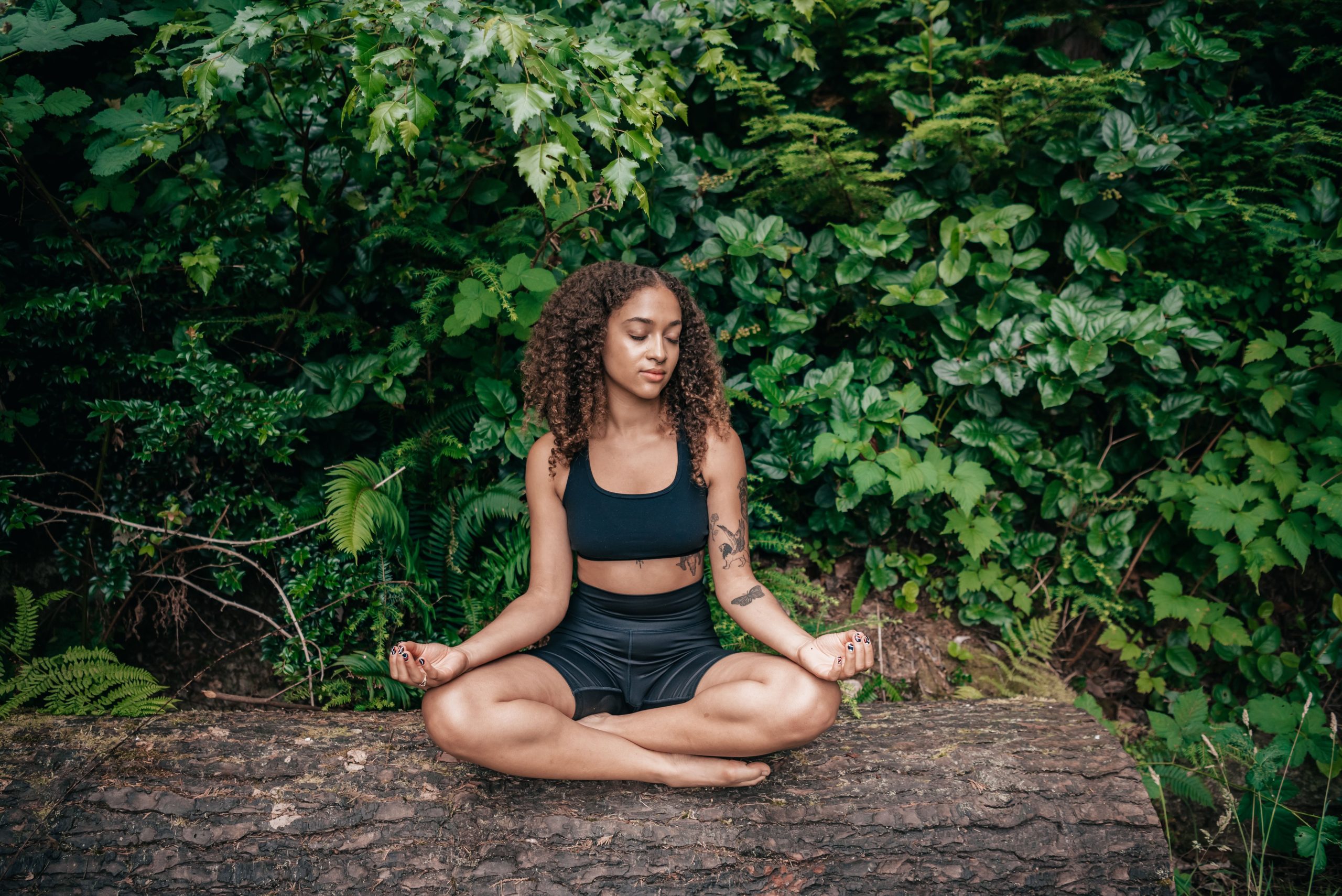
Feeling disconnected and overwhelmed? You’re not alone. In our fast-paced world, grounding yourself in nature is more essential than ever for mental and emotional well-being. Whether you’re seeking peace, focus, or connection, these practices can help you reconnect with yourself and the world around you.
Explore these eight nature connection practices designed to bring you back to your roots, helping you to feel centered and revitalized. Let’s dive into the best ways to nurture your relationship with nature!
1. Mindful Walking – Best for Stress Relief
Mindful walking allows you to immerse yourself fully in the experience of walking outdoors, which can significantly reduce stress levels. By focusing on each step and the sensations of nature, you draw your mind away from distractions.
Key Features:
- Encourages presence and awareness
- Boosts physical fitness
- Enhances mood and relaxation
Pros:
- Easy to practice anywhere
- Can be done alone or with others
- Requires no special equipment
Cons:
- May require effort to maintain focus
- Weather-dependent
2. Nature Journaling – Best for Reflection
Nature journaling combines observation with creativity and is an excellent way to refocus your mind. By writing about your experiences in nature, you deepen your connection and reflect on your feelings in a structured way.
Key Features:
- Stimulates creativity and expression
- Encourages mindfulness
- Crafts a personal affirmation of nature
Pros:
- Enhances awareness of surroundings
- Improves writing skills
- Provides a lasting record of experiences
Cons:
- Requires writing materials
- Time-consuming for some
3. Garden Therapy – Best for Mental Well-Being
Engaging with the process of gardening can be incredibly therapeutic. Not only does it get you outside, but it also fosters a sense of purpose and accomplishment as you nurture living plants.
Key Features:
- Promotes physical activity
- Encourages patience and dedication
- Provides a tangible connection to nature
Pros:
- Produces fresh fruits or flowers
- Improves mood and reduces anxiety
- Accessible for all ages and abilities
Cons:
- Can be physically demanding
- Requires time and commitment
4. Forest Bathing (Shinrin-Yoku) – Best for Immersion
Originating from Japan, forest bathing involves immersing yourself in a forest atmosphere. It encourages full sensory engagement with the environment, which can enhance both physical and psychological health.
Key Features:
- Encourages deep breathing and relaxation
- Enhances your immune system
- Improves mood and reduces inflammation
Pros:
- Accessible in many places
- Requires no special skills or equipment
- Can be done alone or in groups
Cons:
- May be intimidating for some
- Dependent on access to forests
5. Eco-Therapy – Best for Healing
Eco-therapy incorporates nature as a vital component in the healing process. Engaging in therapy sessions outdoors can be incredibly beneficial for emotional well-being.
Key Features:
- Strengthens the therapist-client bond
- Promotes natural healing through interaction with nature
- Reduces feelings of isolation
Pros:
- Blends therapy with nature interaction
- Fosters personal insights
- Presents a new perspective on traditional therapy
Cons:
- May require a professional guide
- Can lack structure compared to indoor sessions
6. Nature Meditation – Best for Mind Clarity
Nature meditation involves practicing mindfulness while surrounded by natural elements. This practice can enhance calmness and clarity of thought, helping to ground your emotions.
Key Features:
- Focuses on breath and sounds of nature
- Enhances emotional regulation
- Boosts mental awareness
Pros:
- Improves focus and concentration
- Encourages a sense of peace
- Encourages an appreciation for the environment
Cons:
- May require practice to silence thoughts
- Potential distractions from noise
7. Nature Walks with a Purpose – Best for Learning
Participating in guided nature walks helps to enrich your understanding of the local ecosystem while physically grounding you. This dual approach embraces both learning and movement as forms of connection to nature.
Key Features:
- Encourages physical activity
- Provides learning opportunities about biodiversity
- Fosters community connections
Pros:
- Expert insight on local flora and fauna
- Engages a sense of curiosity
- Social interaction with like-minded individuals
Cons:
- May have limited availability
- Groups can vary in size
8. Stargazing – Best for Wonder
Stargazing reconnects you with the vastness of the universe, allowing for deeper contemplation and relaxation. This practice can lead to a sense of belonging and wonder.
Key Features:
- Encourages quiet contemplation
- Develops curiosity about the cosmos
- Promotes awareness of the natural cycles
Pros:
- You can do it almost anywhere
- Builds a connection to the universe
- Requires no special equipment
Cons:
- Weather-dependent
- Requires night-time availability
How to Choose the Right Practice for You
Consider your environment, physical abilities, and personal interests when selecting a nature connection practice. Assess which practice resonates most with you and aligns with your mental health goals. Whether it’s immersing in a natural space or connecting through writing, find what feels grounding to you.
#NatureConnection #GroundingTechniques #MindfulPractices #EcoTherapy #NatureLovers #MentalHealthMatters #ExploreNature #HealthyLiving