
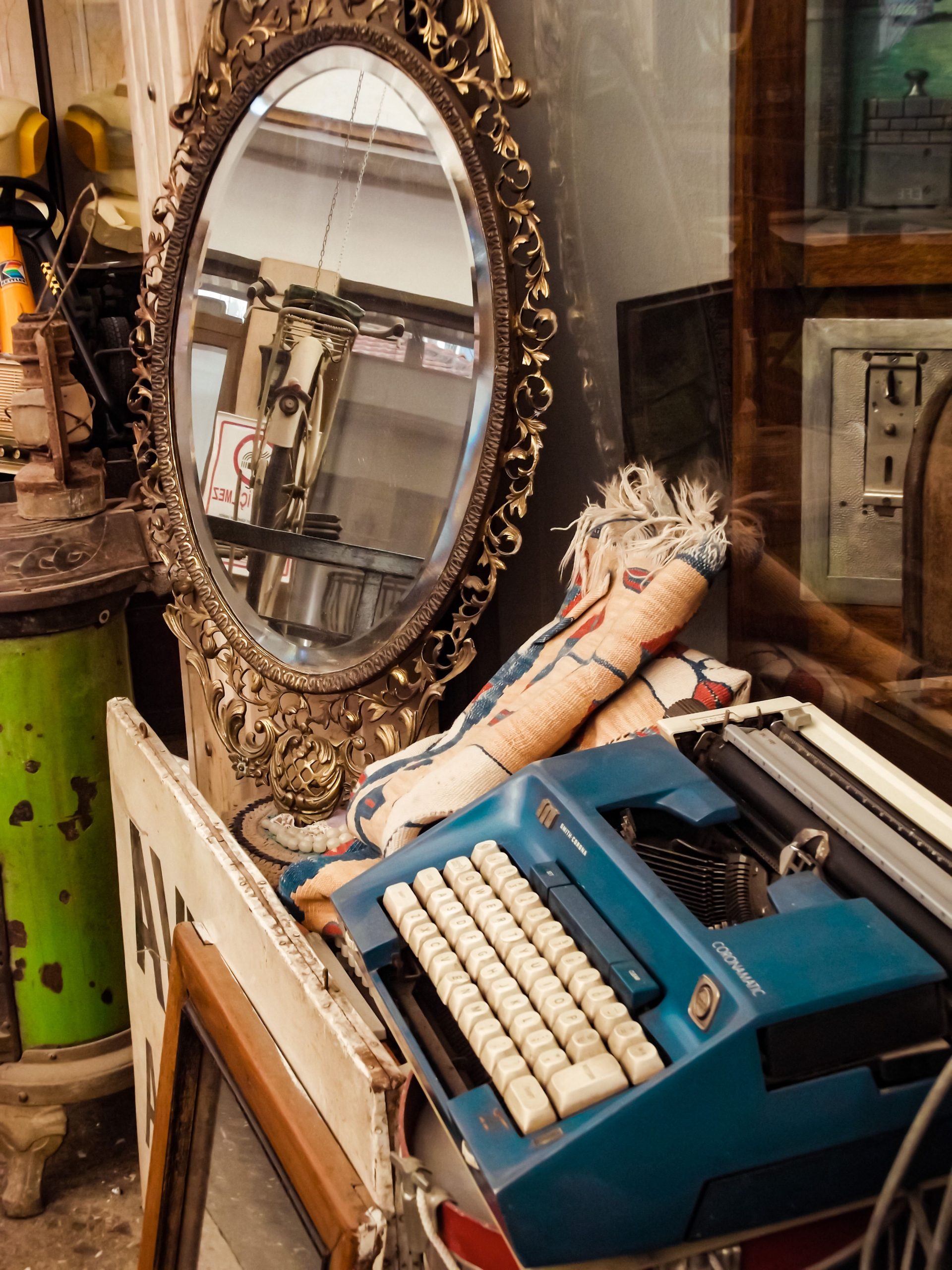
Looking to add a touch of eclectic charm to your home without breaking the bank? Vintage home decor can transform your space into a cozy, unique retreat, but shopping for second-hand treasures can sometimes be overwhelming. Fear not! With the right strategies, you can uncover stunning finds that will elevate your home.
In this listicle, we’ll reveal the best second-hand shopping hacks for vintage home decor. Whether you’re hunting for furniture, art, or decorative accents, these tips will help you navigate flea markets, thrift stores, and online marketplaces like a pro!
1. Know Your Style – Best For Focusing Your Hunt
Before diving into a sea of vintage items, take time to define your decorative style. Are you drawn to mid-century modern, farmhouse chic, or bohemian vibes? Knowing your style will guide your purchases and help prevent impulse buys.
Key Features:
- Identify colors and patterns you love.
- Research your preferred design styles.
- Compile inspiration images to keep you on track.
Pros:
- Avoids overwhelming choices.
- Keeps your decor cohesive.
- Reduces chances of buyer’s remorse.
Cons:
- Can limit spontaneity in finds.
- May require more upfront research.
2. Visit Often – Best For Finding Hidden Gems
The inventory at thrift stores and flea markets is constantly changing. Regular visits can increase your chances of finding that perfect vintage piece that completes your decor.
Key Features:
- Frequent trips yield new discoveries.
- Establish relationships with local store owners.
- Early morning visits can lead to first dibs on new arrivals.
Pros:
- Stay updated on best inventory.
- Build connections for potential discounts.
- More chances to score unique items.
Cons:
- Time-consuming if not organized.
- Disappointment when nothing catches your eye.
3. Use Your Phone – Best For Quick Research
Smartphones are powerful tools when thrift shopping. Use apps and websites to research prices, designs, or even to compare items in real-time!
Key Features:
- Instant access to value comparisons.
- Can identify signature styles or makers.
- Utilize social media for inspiration.
Pros:
- Improves decision-making on the spot.
- Prevents overpaying for common items.
- Enhances your knowledge of vintage decor.
Cons:
- Distraction may occur while shopping.
- Requires good internet connectivity.
4. Pay Attention to Quality – Best For Longevity
Vintage decor can be a sound investment if selected carefully. Assess each item’s condition before purchasing and think about its longevity in your space.
Key Features:
- Look for structural integrity in furniture.
- Examine fabrics for stains or wear.
- Check for missing pieces on accessories.
Pros:
- Quality items will last longer.
- Enhances the resale value of your finds.
- Prevents clutter from damaged goods.
Cons:
- May limit options if quality standards are too high.
- Potential for hidden damage not immediately visible.
5. Don’t Shy Away From DIY – Best For Personalization
Many vintage items may need a little TLC. Embrace your creative side by purchasing pieces that you can upcycle or refurbish to fit your aesthetic.
Key Features:
- Transform old furniture with paint.
- Reupholster vintage chairs for modern flair.
- Use fabric or wallpaper to revamp accessories.
Pros:
- Unique pieces that match your vision.
- Personal satisfaction from the project.
- Extended lifespan of vintage items.
Cons:
- Time investment required for DIY projects.
- Potential costs for supplies add up.
6. Check Local Online Marketplaces – Best For Convenience
Websites and apps like Facebook Marketplace and OfferUp have sections dedicated to vintage items. Browse local listings for gems without leaving home!
Key Features:
- Convenient browsing at any time.
- Potential for lower prices than retail.
- Ability to negotiate directly with sellers.
Pros:
- Accessibility from the comfort of home.
- Wide variety of items in one place.
- Opportunity to find rare décor pieces.
Cons:
- Possibility of scams or misrepresentation.
- Limited tactile experience before purchase.
7. Think Outside the Box – Best For Unique Finds
Consider shopping for decor items outside the traditional categories. Vintage kitchenware, books, and even clothing can be creatively repurposed to enhance your home.
Key Features:
- Explore unexpected sources for decor.
- Utilize items in unconventional ways.
- Combine elements from different categories.
Pros:
- Leads to truly one-of-a-kind decorations.
- Encourages creative expression.
- Affordable alternatives for stylish decor.
Cons:
- May require extra effort for conceptualizing uses.
- Trying different ideas can lead to mismatched themes.
8. Network with Other Vintage Lovers – Best For Sharing Knowledge
Join local or online vintage communities to share tips and strategies. Connecting with others who share your passion can open doors to exclusive finds and insights.
Key Features:
- Participate in forums, groups, or clubs.
- Attend local vintage fairs and events.
- Exchange tips and hacks with fellow enthusiasts.
Pros:
- Learn about upcoming sales or events.
- Broaden your knowledge base.
- Find camaraderie in your search for treasures.
Cons:
- Can be time-consuming to participate actively.
- Potential for conflicting opinions on items.
How to Choose the Right Vintage Decor While Shopping Second-Hand
To successfully choose the perfect vintage items for your home, consider your style, the quality of the pieces, and how they fit into your overall aesthetic. Take your time and don’t rush—great finds often require patience and persistence. Remember to enjoy the journey, and let each piece tell its own story in your space!
#VintageHomeDecor #SecondHandShopping #ThriftStoreFinds #HomeStyling #DIYDecor #HomeInspo #VintageStyle #UpcycledDecor