
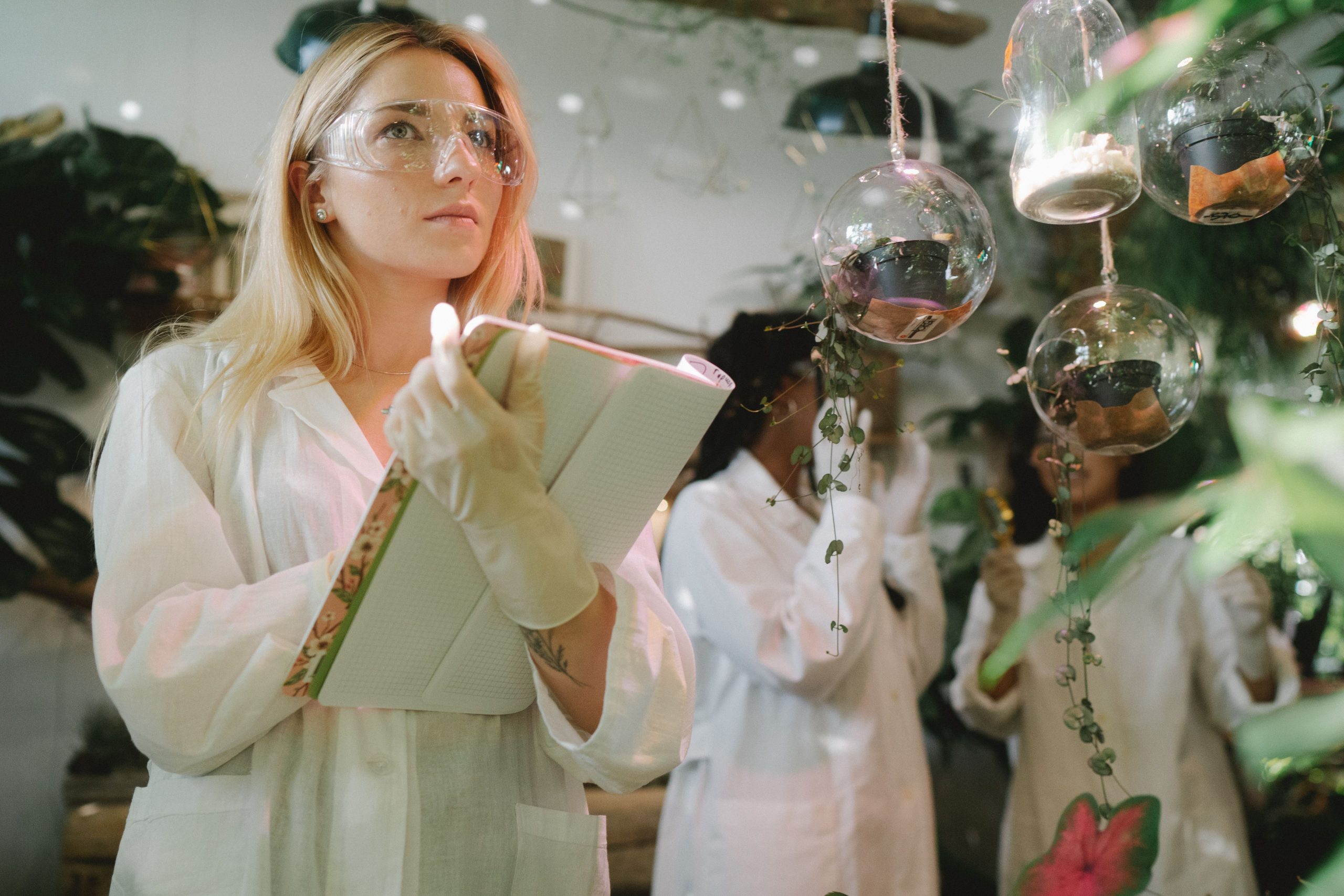
Botanical science is not just about observing plants; it’s about understanding their amazing behaviors! Plant tropisms—like how they grow towards light or bend with the wind—are fascinating phenomena you can explore through simple experiments. Whether you’re a student, educator, or plant enthusiast, these experiments will help you appreciate the intricate dance of plants in their environments.
Grab your gardening gloves and experiment materials! We’re diving into five engaging experiments that will not only teach you about plant tropisms but will also spark your curiosity and love for plant science.
1. Phototropism Experiment – Best For Understanding Light Response
This experiment reveals how plants respond to light, bending towards a light source over time. Perfect for demonstrating the concept of phototropism, it’s an essential experiment for classrooms!
Key Features:
- Uses common plants like beans or sunflowers.
- Involves positioning plants in varied lighting conditions.
- Shows fast results, usually within a few days.
Pros:
- Simple and straightforward setup.
- Visual results are easy to observe.
- Teaches valuable scientific methods like observation and documentation.
Cons:
- Limited to light sources available.
- Requires patience for observations to be made.
- May not work well in low light conditions.
2. Geotropism Experiment – Best For Studying Gravity Influence
Key Features:
- Investigates the effect of gravity on root and shoot growth.
- Simple materials needed: pots, soil, and seeds.
- Can be done indoors or outdoors.
Pros:
- Engaging and hands-on for participants.
- Results can be documented over time.
- Educates about gravity’s influence on life.
Cons:
- Requiring at least a couple of weeks for clear results.
- Space can be a limitation for larger setups.
- May require more than one trial to validate results.
3. Thigmotropism Experiment – Best For Exploring Touch Response
This experiment allows participants to observe how plants respond to touch. By using climbing plants and providing support structures, you can directly see how touch influences growth direction.
Key Features:
- Utilizes climbing plants like beans or ivy.
- Explores how plants react to physical contact.
- Great for teaching about adaptations.
Pros:
- Visual and captivating for all ages.
- Can lead into discussions about plant adaptations and ecology.
- Teaches hands-on gardening skills.
Cons:
- Requires maintenance of plant health throughout the experiment.
- May need several trials for consistent results.
- Limited to specific plant types.
4. Hydrotropism Experiment – Best For Investigating Water Response
Unravel how plants seek moisture with this hydrotropism experiment. By setting up a moisture gradient for your plants, you’ll discover their impressive ability to grow toward water sources.
Key Features:
- Demonstrates plants’ responses to varying moisture levels.
- Requires basic materials like pots and soil.
- Insights into plant needs and survival strategies.
Pros:
- Educational on plant survival in ecosystems.
- Fosters curiosity about water conservation.
- Results can be documented through growth measurements.
Cons:
- Can be messy with water spills.
- Required care to maintain consistent moisture levels.
- Lengthy time to see distinct growth direction.
5. Thermotropism Experiment – Best For Analyzing Temperature Response
Investigate how temperature affects plant growth with a thermotropism experiment. Place plants in areas with varying temperatures and observe how they respond, gaining insights into thermal preferences.
Key Features:
- Utilizes temperature variances for growth observation.
- Applicable for both indoor and outdoor settings.
- Explores physiological responses of plants.
Pros:
- Provides insights into plant adaptability.
- Excellent for discussions regarding climate change.
- Unique angle on plant growth dynamics.
Cons:
- Monitoring can be challenging in mixed environments.
- Variation in results can occur depending on plant type.
- Requires careful setup for accurate temperature control.
How to Choose the Right Experiment
When selecting a botanical science experiment, consider factors such as the accessibility of materials, the age group of participants, and the learning outcomes desired. Look for experiments that align with your educational goals, whether that’s fostering observation skills, understanding plant biology, or creating a deep appreciation for nature.
#BotanicalScience #PlantTropisms #ScienceExperiments #STEMEducation #Gardening #PlantBiology #NatureLovers