
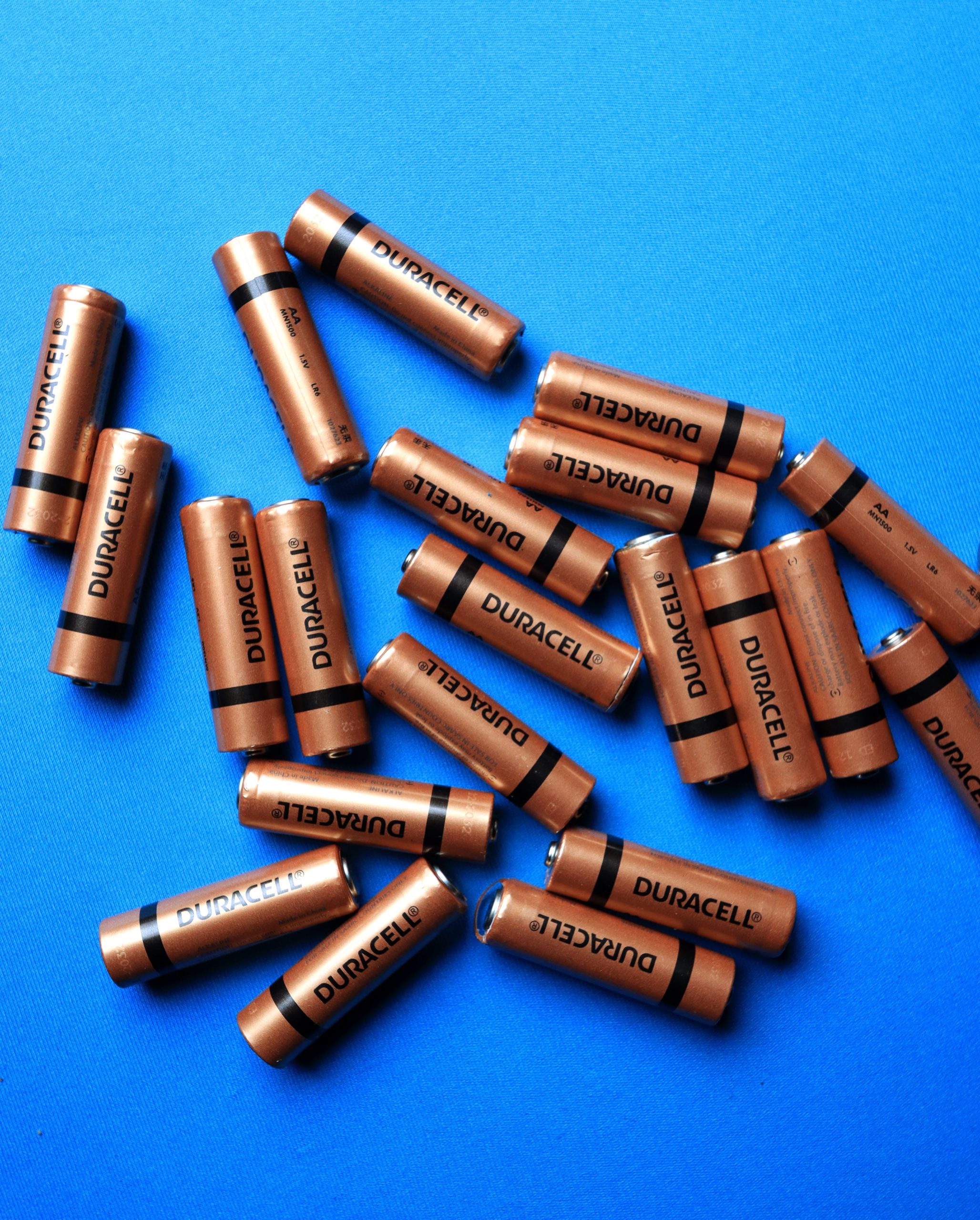
Electrochemistry is the study of the relationship between electricity and chemical reactions, and it’s truly fascinating! Whether you’re a student, teacher, or just a curious mind, exploring experiments involving batteries and cells can ignite your passion for science. This list compiles some of the most engaging and educational electrochemistry experiments that you can try at home or in the classroom.
From generating power to understanding chemical processes, these experiments are perfect for visualizing concepts while having fun. Let’s dive into the electrifying world of electrochemistry!
1. Lemon Battery – Best For Learning About Alternative Energy Sources
The lemon battery experiment is a classic demonstration of how chemical energy can be converted into electrical energy using simple household items. It’s interactive, accessible, and perfect for beginners!
Key Features:
- Uses common materials like lemons, copper, and zinc.
- Demonstrates basic principles of electrochemistry.
- Can power small devices like LEDs.
Pros:
- Easy to set up and perform.
- Great for hands-on learning.
- Engaging for all ages.
Cons:
- Limited power output.
- Results may vary based on lemon freshness.
2. Copper Plating – Best For Understanding Electrolysis
This experiment allows you to observe electrolysis in action by plating a piece of copper with copper ions from a solution. It’s a visual delight and helps elucidate ionic movement in solutions.
Key Features:
- Demonstrates electrolysis principles effectively.
- Visibly plates copper onto a substrate.
- Can be performed using basic lab supplies.
Pros:
- Visually impressive results.
- Simple setup.
- Interesting introduction to industrial processes.
Cons:
- Requires careful handling of chemicals.
- Time-consuming process.
3. The Classic Daniell Cell – Best For Understanding Galvanic Cells
The Daniell Cell experiment is a fundamental educational exercise that illustrates how galvanic cells operate. It’s instrumental in understanding the flow of electrons and how batteries work.
Key Features:
- Involves two different metals and solutions.
- Perfect for classroom demonstrations.
- Shows spontaneous electrochemical reactions.
Pros:
- Extensive educational value.
- Hands-on experience with batteries.
- Clear depiction of electron flow.
Cons:
- Requires precise measurement of solutions.
- Can be complex for younger audiences.
4. Saltwater Battery – Best For Renewable Energy Understanding
This experiment involves creating a simple battery using saltwater, showcasing the basics of electrochemical cells and emphasizing the importance of sustainable materials!
Key Features:
- Utilizes saltwater as an electrolyte.
- Environmentally friendly approach.
- Can power smaller electronic devices.
Pros:
- Great for discussions on sustainability.
- Minimal cost and easy materials.
- Encourages innovative thinking.
Cons:
- Power output may be low.
- Less effective than commercial batteries.
5. Battery-Powered Stopwatch – Best For Practical Applications of Chemistry
This experiment combines everyday technology and chemistry by utilizing batteries to power a stopwatch. It’s an excellent way to understand the importance of batteries in daily life!
Key Features:
- Real-life application of batteries.
- Hands-on lesson in battery assembly.
- Fosters interest in physics and chemistry.
Pros:
- Engages with practical technology.
- Applicable knowledge for everyday use.
- Enhances troubleshooting skills.
Cons:
- Requires electronic components.
- May need supervision for younger participants.
How to Choose the Right Experiment
When selecting an electrochemistry experiment, consider the educational objectives, the materials available, and the age group of the participants. Ensure the safety of all involved, and be ready to adapt the complexity of the experiment based on varying skill levels. Each experiment presents unique insights into the world of chemistry and should align with the interests of those involved.
#Electrochemistry #ScienceExperiments #Batteries #ChemistryEducation #STEMLearning #SchoolProjects #HandsOnLearning