
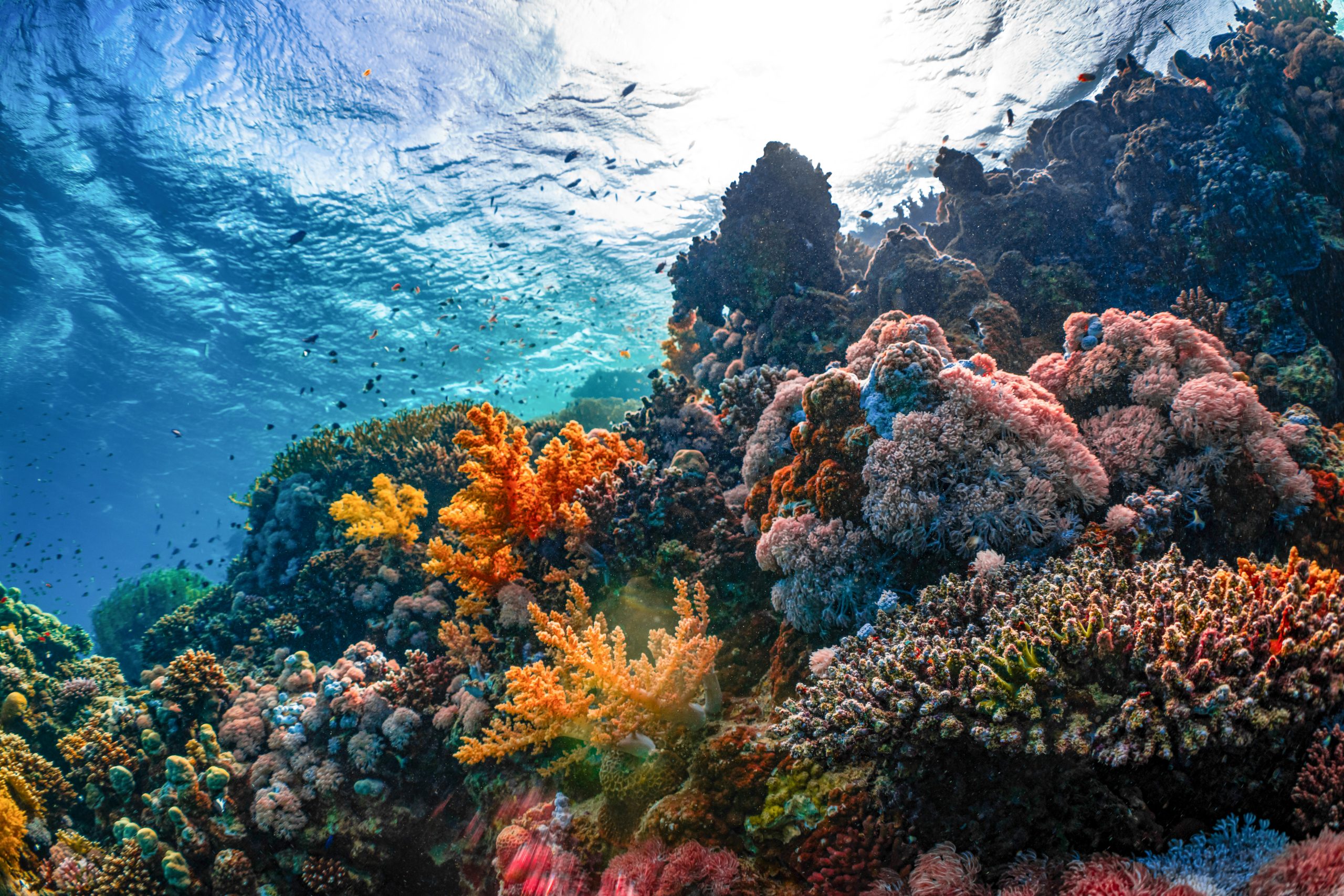
As our oceans face unprecedented challenges, coral reef ecosystems are under threat like never before. Thankfully, numerous travel initiatives are stepping up the game to restore these vibrant underwater gardens. Not only do these programs offer the chance to dive into breathtaking waters, but they also promote sustainable practices that help preserve marine life for future generations.
Join us as we explore six incredible marine coral reef restoration travel initiatives that combine adventure with environmental responsibility. Get ready to pack your bags for a trip that makes a difference!
1. Coral Triangle Initiative – Best For Biodiversity Enthusiasts
The Coral Triangle Initiative spans six countries and is dedicated to conserving the world’s most diverse marine ecosystems. Join guided tours that support local communities while learning about coral restoration techniques.
Key Features:
- Multi-country ecotour experiences involving local cultures.
- Work alongside conservationists to restore coral reefs.
- Opportunities to learn about marine biodiversity.
Pros:
- Supports local economies.
- Unique learning experiences.
- Diverse marine life.
Cons:
- Travel can be costly.
- Limited availability of tours in certain areas.
- Travel restrictions may apply.
2. Reefwatch Australia – Best For Hands-On Conservation
Reefwatch Australia allows travelers to get up-close and personal with Australia’s Great Barrier Reef through citizen science programs. Participate in reef monitoring and restoration while enjoying the beauty of this World Heritage site.
Key Features:
- Hands-on training in reef surveying methods.
- Real-time data collection for conservation efforts.
- Guided snorkeling experiences in pristine coral reefs.
Pros:
- Engaging educational programs.
- Contribute to important research.
- Stunning marine environments.
Cons:
- Limited program availability depending on the season.
- Must be physically fit for snorkeling activities.
- Potential for weather-related cancellations.
3. Coral Restoration Foundation – Best For Eco-Travelers
The Coral Restoration Foundation in Florida offers unique volunteer opportunities for eco-conscious travelers. Help out by cultivating coral nurseries and planting corals back into the reef.
Key Features:
- Hands-on coral gardening workshops.
- Access to dive sites not open to the public.
- A focus on science-based coral restoration techniques.
Pros:
- Dedicated to large-scale restoration efforts.
- Expert guidance from marine biologists.
- Fosters a sense of community among volunteers.
Cons:
- Time-intensive commitment for volunteers.
- Requires prior diving experience.
- Travel costs can be significant.
4. Pacific Environment – Best For Cultural Connections
This initiative combines marine conservation with cultural immersion in the Pacific Islands. Experience local traditions while participating in reef restoration workshops guided by indigenous communities.
Key Features:
- Connection with local cultures through community-led projects.
- Interactive workshops on sustainable fishing practices.
- Promotion of marine stewardship among tourists.
Pros:
- Unique cultural experiences.
- Emphasis on sustainable living.
- Inspirational community partnerships.
Cons:
- Limited accessibility to remote locations.
- May require significant travel planning.
- Potential language barriers.
5. The Ocean Foundation – Best For Global Impact
The Ocean Foundation focuses on community-based projects around the globe. By participating in their travel initiatives, you can assist with coral restoration and educational outreach in various coastal communities.
Key Features:
- International travel programs with local impact.
- Involvement in environmental education efforts.
- Collaboration with marine scientists.
Pros:
- Variety of locations and programs.
- Focus on global marine conservation.
- Build lasting connections with local organizations.
Cons:
- Potential for language and cultural differences.
- Time commitment for travel programs.
- Participation costs may vary.
6. SeaChange – Best For Volunteer Divers
For certified divers looking to make a difference, SeaChange offers expedition-style projects focused on coral restoration. These programs combine diving with conservation, making it a thrilling adventure for eco-enthusiasts.
Key Features:
- Assistance in establishing coral nurseries.
- Underwater habitat restoration projects.
- Work alongside marine professionals.
Pros:
- Incredible diving experiences.
- Hands-on, impactful work.
- Small group sizes for personalized attention.
Cons:
- Participation requires dive certification.
- Limited spots available each season.
- Travel expenses may be high.
How to Choose the Right Initiative
When selecting a coral restoration travel initiative, consider your interests, budget, and level of experience. Look for programs that not only offer adventure but also align with your values regarding sustainability and community engagement. Research reviews and testimonials to find the right fit for your transformative journey.
#CoralRestoration #MarineConservation #EcoTravel #SustainableTourism #CoralReefs #BeachVacation #TravelForGood #VolunteerAbroad